Irish cuisine is all about hearty, comforting dishes that warm the soul and bring people together. From traditional stews to freshly baked soda bread, these recipes are easy to make and packed with flavour. Get ready to spice up your kitchen with some delicious Irish favourites that will impress your family and friends!
Traditional Irish Stew
Traditional Irish stew is a comforting dish that warms both the body and soul. This hearty meal is a staple in Irish cuisine, showcasing simple yet tasty ingredients.
To make this easy dish, you’ll need fresh ingredients. Start with lamb or beef, potatoes, carrots, onions, and stock. Brown the meat, add the veggies, and let it simmer until everything is tender and the flavors meld together.
Enjoying this stew is about more than just the food. It’s about sharing with loved ones, making memories, and embracing a bit of Irish tradition in your home.
Irish Seafood Chowder
Irish Seafood Chowder is a comforting dish that captures the essence of coastal Ireland. This bowl is brimming with a variety of fresh ingredients, including tender seafood and vibrant vegetables. The creamy broth adds richness, making each spoonful a delight.
The chowder features ingredients like mussels, clams, and fish, all cooked to perfection. Chunks of potatoes and carrots add texture and a touch of sweetness. The combination delivers a tasty experience that warms the soul.
Creating this dish at home is easy. Start by sautéing onions and garlic, then add your seafood and vegetables. Pour in cream and let it simmer, allowing the flavors to meld together. Serve it with crusty bread for dipping, and you have a meal that feels like a warm hug.
Shepherd's Pie with Golden Mash
Shepherd's Pie is a classic dish that warms the heart. The filling, made with fresh ingredients like ground meat, carrots, and peas, brings a burst of flavour to each bite. It’s a delightful combination that makes Shepherd’s Pie a favorite in many households. This version promises a perfect balance between savory meat and creamy potatoes.
Making Shepherd's Pie is easy. First, prepare the meat filling by sautéing onions and garlic, then adding your choice of meat and veggies. Cook until everything is tender and well-mixed. Next, whip up the mashed potatoes, ensuring they’re fluffy and smooth. Layer the filling in a baking dish, top with the mash, and bake until golden brown. It’s hard to resist a dish that looks as good as it tastes!
Brown Soda Bread Fresh from the Oven
There's nothing quite like the smell of freshly baked Irish soda bread wafting through your kitchen. This particular loaf boasts a beautiful golden crust, inviting you to take that first, warm slice. The texture is soft and fluffy, making it ideal for slathering with butter or enjoying with a hearty soup.
This bread is made with easy, fresh ingredients that you likely already have at home. The combination of baking soda and buttermilk gives it that classic tangy flavor, which pairs perfectly with the subtle sweetness of the crust. Whether you're a baking novice or a seasoned pro, this recipe is straightforward and rewarding.
Imagine slicing into this loaf, the warm steam escaping as you reveal its tender crumb. Each bite is tasty and satisfying, making it a delightful addition to any meal.
Beef and Guinness Pie
Beef and Guinness Pie is a classic dish that brings a taste of Ireland to your kitchen. This hearty pie features tender beef, rich gravy, and a flaky crust, making it a favourite for cozy dinners.
Making this pie is easy! Start by browning chunks of beef and then simmer them with Guinness for that deep, savoury taste. After that, mix in your veggies and let everything cook until it’s nice and tender. Pour the filling into a pastry crust, top it off with more crust, and bake until golden.
This dish is perfect for chilly nights or gatherings with friends. Serve it with a side of mashed potatoes or a simple salad, and you’ve got a tasty meal that everyone will enjoy.
Colcannon with Crispy Bacon
Colcannon is a classic Irish dish that brings comfort to any meal. This version is made with creamy mashed potatoes, combined with fresh ingredients like cabbage or kale, and topped with crispy bacon for that extra crunch.
To make this easy recipe, start by boiling potatoes until tender. Mash them with butter, cream, and your choice of greens. Meanwhile, sauté chopped bacon until it’s crispy. Mix it all together and serve hot. It's simple yet satisfying!
Champ with Scallions
Champ is a delightful dish that brings comfort to the table. This Irish classic features creamy mashed potatoes, topped with fresh scallions. The vibrant green of the scallions adds a burst of color and flavor.
The preparation is easy and straightforward. Start by boiling potatoes until they're tender. Mash them until smooth and mix in butter, milk, and finely chopped scallions. This combination creates a tasty side that pairs perfectly with any main dish.
What makes champ special is its simplicity. Using fresh ingredients enhances the flavor and provides a delicious experience. Serve it hot, and watch it disappear!
Apple Tart with Custard
Making this tart is quite easy. Start with a buttery pastry crust, then fill it with sliced apples. You can use a mix of tart and sweet apples for a tasty balance. Bake it until the crust is golden and the apples are tender. While it cools, whip up a simple custard sauce with milk, eggs, and sugar.
This dessert is perfect for gatherings or just a cozy night in. With fresh ingredients and a bit of effort, you can impress your family and friends. The combination of the warm tart and cool custard is simply fantastic!
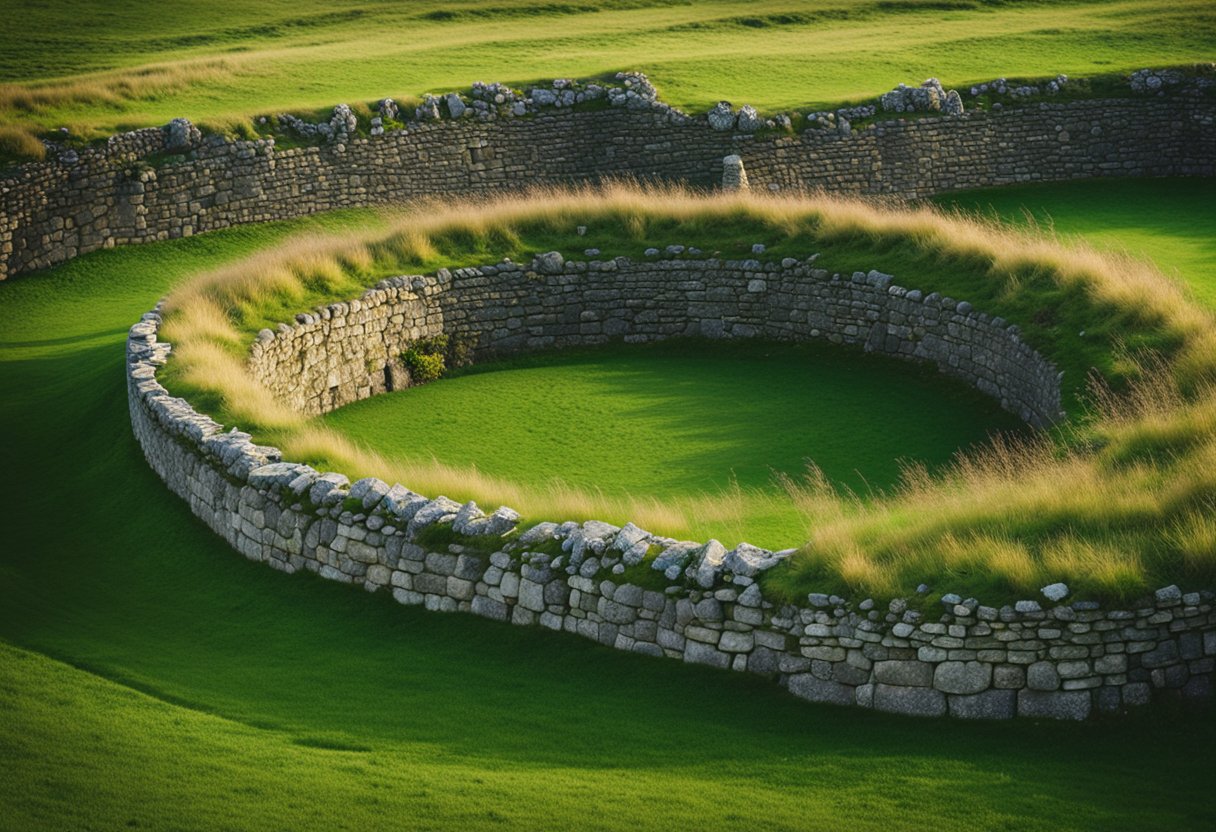
You might spot these mysterious structures dotting the countryside as you travel through rural Ireland. Many locals refer to them as fairy forts, believing them to be dwelling places of supernatural beings. This folklore has helped preserve many ring forts over the years, as people were reluctant to disturb what they perceived as magical sites.
Despite their mystical associations, ring forts have a very earthly origin. These circular earthworks, also known as raths or lios, date back to the Iron Age. They served as fortified farmsteads for ancient Irish families, offering protection and a sense of community.
We are lucky to have a ring fort just in front of Ocean View Cottage!
Irish Ring Forts: A Historical Overview
Ringforts, also known as raths, were circular fortified settlements built during the Bronze Age, Iron Age, and early Middle Ages in Ireland. They typically consisted of a circular or oval area enclosed by one or more earthen banks and ditches. These structures were primarily constructed between 500 and 1000 AD, during the early Christian period.
Ringforts served various purposes:
Defensive structures
Farmsteads for extended families
Status symbols for wealthy landowners
Cattle enclosures
The size of ringforts varied greatly, ranging from 20 to 60 metres in diameter. Larger forts often indicated higher social status.
Interestingly, many ringforts have been preserved due to superstitions about disturbing 'fairy forts'. This belief has inadvertently helped protect these important archaeological sites.
Today, ringforts continue to fascinate archaeologists and history enthusiasts alike. They provide valuable insights into early Irish society, settlement patterns, and defensive strategies.
The National Monuments Acts: Protecting Ireland's Heritage
Ireland's ring forts and fairy circles are protected by law. The National Monuments Acts play a crucial role in safeguarding these ancient structures and other archaeological sites across the country.
First introduced in 1930, these acts have been updated several times over the years. They aim to preserve and protect Ireland's rich archaeological heritage for future generations to enjoy.
Under these acts, it's illegal to damage or interfere with national monuments. This includes ring forts, which are often associated with fairy folklore. So, even if you believe in fairies, you can't disturb their supposed homes!
The Acts also give the government power to:
Declare sites as national monuments
Restrict access to protected sites
Fund archaeological excavations
Preserve artefacts found at these sites
Currently the National Monuments Service advises the Minister for Arts, Heritage and the Gaeltacht on these matters. They're the experts who help decide which sites need protection.
Recently, there's been talk of updating the Acts. A new bill aims to modernise the legislation and introduce new ways to protect Ireland's historic heritage. This shows how seriously the country takes its archaeological treasures.
So next time you're wandering near a ring fort, remember: you're looking at a protected piece of Irish history!
Examining the Structure and Purpose of Ring Forts
Ring forts, also known as raths or cashels, were circular fortified settlements common in Ireland during the Bronze Age, Iron Age, and early Middle Ages. These structures typically consisted of a circular or oval-shaped enclosure surrounded by one or more defensive banks and ditches.
The basic layout of a ring fort included:
A central living area
An outer bank made of earth or stone
A ditch outside the bank
Sometimes multiple banks and ditches for added protection
You might be surprised to learn that up to 60,000 ring forts are spread across Ireland, making them the most common ancient monument in the country.
Ring forts served various purposes for their inhabitants. They provided:
Protection from wild animals and potential raiders
A secure area for livestock
A comfortable living space for extended families
The size of ring forts varied considerably, ranging from small homesteads to larger communal settlements. Some even featured additional structures within the enclosure, such as houses, workshops, and storage areas.
While primarily associated with defensive purposes, ring forts also held social and economic significance. They often marked territorial boundaries and showcased the status and wealth of their occupants.
Today, many of these ancient structures still dot the Irish landscape, serving as a fascinating glimpse into the country's rich history. You can explore some well-preserved examples to get a firsthand look at these remarkable monuments.
Fairy Circles: Myths and Superstitions
Ring forts are steeped in Irish folklore and are often associated with supernatural beings, particularly fairies. Many believe these sites are imbued with the magic of the druids and serve as entrances to the fairy realm. The early inhabitants of Ireland, like the Tuatha Dé Danann and the Fir Bolg, became part of the island’s mythology, thought to live on in these ancient mounds as the Aos Sí or fairy folk. Disturbing these sites is seen as inviting misfortune, a belief that has helped protect ring forts for centuries.
The respect for fairy circles has played a role in preserving these archaeological treasures. Many farmers have left these areas untouched, even when it meant working around them in their fields.
Fairy forts have inspired countless tales and legends passed down through generations. You'll find stories of magical happenings and otherworldly encounters associated with these sites in local folklore.
While modern times have seen a decline in these beliefs, fairy circles continue to capture the imagination. They serve as a tangible link to Ireland's rich cultural heritage and ancient past.
The Ring Fort at Ocean View Cottage
At Ocean View Cottage you can witness a piece of this ancient history first hand! In the farmer's field directly in front of the house stands a ring fort—a registered national monument protected under Ireland's National Monuments Acts. Local lore around this particular fort holds that moving any of its stones or interfering with it is bad luck. Many believe that these untouched, sacred sites are a direct link to Ireland’s ancient past and a portal to a world of mystery and magic.
Did you know that Louisburgh was once home to a megalithic court tomb dating back over 5,000 years? And while the ancient Aillemore court tomb might be hidden beneath layers of history, the outdoor adventures waiting for you in Louisburgh are anything but buried. This charming coastal town is buzzing with activities that'll make your heart race and your jaw drop. So, let's dive in and explore the top 10 outdoor escapades that'll have you falling head over heels for Mayo's best-kept secret.
1. Surfing at Carrowniskey Strand
Horseracing on Carrowniskey beach
Ever dreamed of riding the wild waves of the Atlantic? Well, Carrowniskey Strand is your ticket to surf heaven. SURFMAYO, the OG of surf schools in County Mayo, has been helping landlubbers catch waves since '98. Whether you're a total newbie or a seasoned pro, these guys have got your back. Just imagine yourself paddling out, the salty breeze in your hair, ready to conquer those frothy peaks. It's like dancing with the ocean, and trust me, you'll be hooked faster than you can say "cowabunga!"
2. Hiking in the Doolough Valley
Imagine you're wandering through a valley so breathtakingly beautiful, it almost doesn't seem real. That's Doolough Valley for you. This 30.5 km stretch between Leenane and Louisburgh is like Mother Nature's own art gallery. You've got mountains that seem to touch the sky, a moody lake that seems to hold a thousand secrets, and views that'll make your Instagram followers weep with envy. And here's a bit of history for you: there's a memorial stone cross along the way that'll transport you back to the haunting days of the Great Famine. It's a hike that feeds your soul and your mind.
3. Exploring the Lost Valley
Ready for a time-traveling adventure? The Lost Valley is like stepping into a living, breathing history book. This place has barely changed since the mid-1800s, when the Great Famine forced folks to abandon their homes. You'll see tumbledown cabins, ancient potato plots, and if you're lucky, a sheepdog demonstration that'll blow your mind. It's not just a walk in the park; it's a journey through Ireland's past that'll leave you with a newfound appreciation for your comfy 21st-century life.
4. Beach Activities at Old Head and Silver Strand
Who says you need tropical climates for a beach day? Old Head and Silver Strand beaches are proof that Ireland can do seaside fun with the best of them. These Blue Flag beauties are perfect for everything from building sandcastles to braving the chilly Atlantic waters. And let's be real, there's something extra invigorating about swimming in water that's… refreshing, shall we say? It's like nature's own energy drink!
5. Island Hopping to Clare Island
Ever wanted to feel like a modern-day explorer? Hop on the ferry to Clare Island and voila! You're living your best adventure life. This little slice of paradise is packed with activities that'll keep your adrenaline pumping and your camera clicking. From heart-racing adventures to zen-like nature walks, Clare Island is like a buffet of outdoor experiences.
6. Cycling the Wild Atlantic Way
Forget spinning classes. The real deal is pedaling your way along the Wild Atlantic Way. The Leenaun to Louisburgh drive is a cyclist's dream come true. You'll be cruising past jaw-dropping coastal scenery, feeling the wind in your face, and burning calories while you're at it. It's like a theme park ride, workout, and sightseeing tour all rolled into one. Just don't forget to stop and take in those million-dollar views – your Instagram feed will thank you later.
7. Fishing in Clew Bay
Fishing from Carrowmore Pier
Ever tried to outsmart a fish? Clew Bay is your chance to test your angling skills against some of Ireland's wiliest sea creatures. Whether you're a fishing pro or can barely tell a rod from a reel, there's something magical about being out on the water, waiting for that telltale tug on your line. And hey, even if the fish aren't biting, the views of Croagh Patrick and the surrounding islands are worth the trip alone. It's like meditation, but with the added bonus of potentially catching your dinner!
8. Stargazing and Night Sky Photography
Prepare to have your mind blown by the celestial show above Louisburgh. With minimal light pollution, the night sky here is like nature's own IMAX theater. On a clear night, you can see the Milky Way stretching across the sky like a cosmic highway. It's the kind of view that makes you feel tiny and huge all at once. Grab your camera, find a cozy spot on the beach, and prepare to capture some seriously out-of-this-world shots.
9. Wildlife Watching in Clew Bay
Forget the zoo. Clew Bay is where the real wildlife action is at. Hop on a boat tour and you might find yourself playing audience to a pod of dolphins putting on an acrobatic show. If you're really lucky, you might even spot a whale or two during migration season. And let's not forget the seals – these chubby sea puppies are basically the local celebrities. It's like a nature documentary come to life, only you're right in the middle of it all.
10. Mountain Climbing in the Nearby Mweelrea Mountains
If you're the type who sees a mountain and thinks "I need to be on top of that," then the Mweelrea Mountains are calling your name. As the highest peak in Mayo and Connacht, Mweelrea offers views that'll make you feel like you're on top of the world (because, well, you kind of are). The climb might leave you huffing and puffing, but trust me, when you're standing at the summit, looking out over Clew Bay and the Twelve Bens of Connemara, you'll feel like you've conquered the universe.
So there you have it – Louisburgh's top 10 outdoor adventures that'll have you packing your bags faster than you can say "Wild Atlantic Way." From surfing and stargazing to hiking through history, this little corner of Mayo is packed with experiences that'll leave you breathless (sometimes literally). So what are you waiting for? Adventure is calling, and Louisburgh is where you need to answer that call. Once Louisburgh gets under your skin, you might never want to leave!
Are you ready to explore County Mayo in Ireland? This beautiful region is famous for its stunning landscapes, historical sites, and vibrant culture. Whether you're a nature lover, history buff, or just in search of a relaxing getaway, County Mayo has something to offer.
OLYMPUS DIGITAL CAMERA
Discover the best things to do in County Mayo to make your visit unforgettable. You can enjoy everything from breathtaking coastal views to charming villages. As you journey through this picturesque area, you’ll find countless opportunities to create lasting memories.
1) Moore Hall
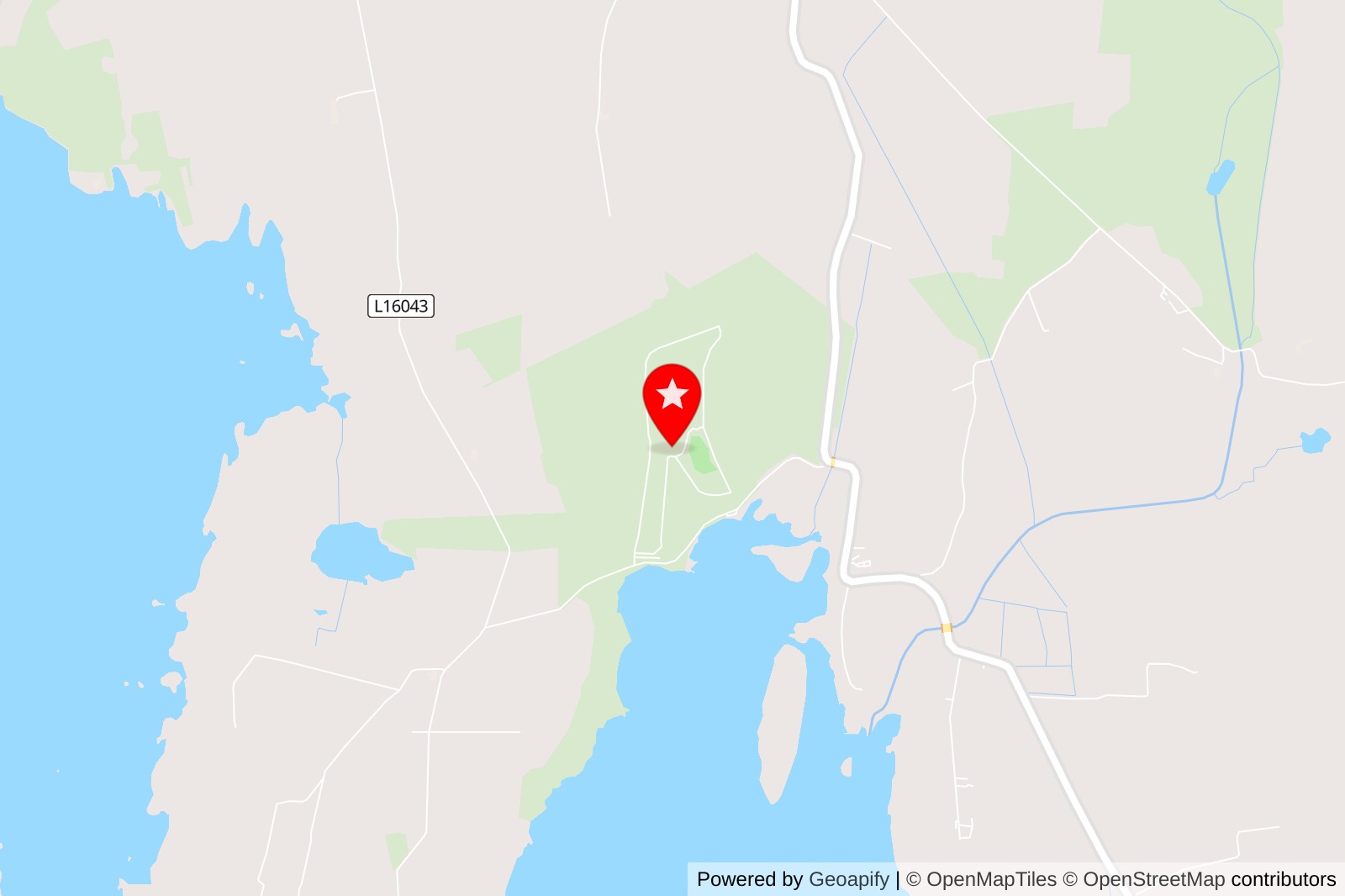
When you visit Moore Hall, you feel like you've stepped back in time. Nestled on the shores of the serene Lough Carra, the ruins of Moore Hall House are the centerpiece of this scenic spot. Built by George Moore in the late 18th century, the grandeur of the past still whispers through the remnants of the Hall.
The walk to Moore Hall is a real treat. A 3-kilometer loop takes you through lush forest roads, providing a pleasant and peaceful experience. The surrounding nature adds to the charm, making it a great spot for a leisurely walk or a quiet moment to soak in the history.
You’ll find ample facilities, including a large parking area, picnic spots, and toilets, which make it easy to spend a relaxed day here. Don’t forget to bring along a picnic; it’s a great way to enjoy the surroundings with family or friends.
After exploring the ruins, you might consider a quick detour to nearby villages for a local bite. Moore Hall offers both tranquility and a glimpse into Ireland's storied past, making it a must-visit when you're in County Mayo.
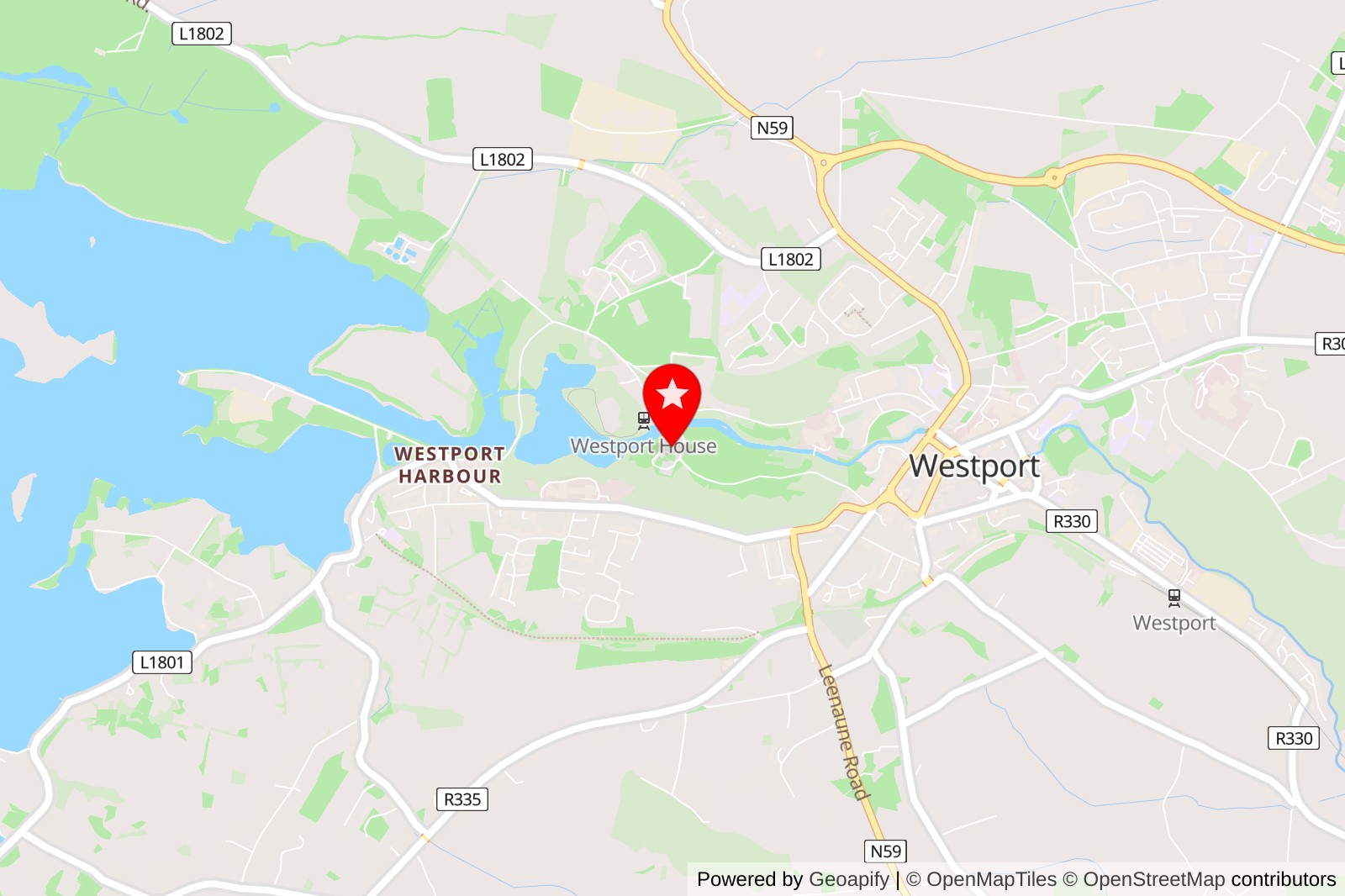
When you visit County Mayo, Westport House is a must-see destination. The historic estate offers a blend of rich history and fun activities. Explore its 300-year-old walls filled with tales of pirates, kings, and beautiful art. It's not just a house, but a journey back in time with every room you step into.
The estate is vast, with beautiful gardens and a range of activities. You can enjoy a leisurely walk or participate in exciting adventures like the new Adventure Park. From zip lines to giant swings, there’s something for everyone who loves a bit of thrill.
Westport House also provides a variety of dining options. Whether you're in the mood for wood-fired pizza at Gracy's Pizzeria or craving something from the Asian food truck, you'll find plenty of delicious choices. Don’t forget to stop by their charming café for a coffee and fresh bakes.
If you're planning to stay overnight, the estate offers several accommodations like a Glamping Village and a hotel. You can relax close to nature while still being in the heart of all the action. It's a perfect spot for a weekend getaway.
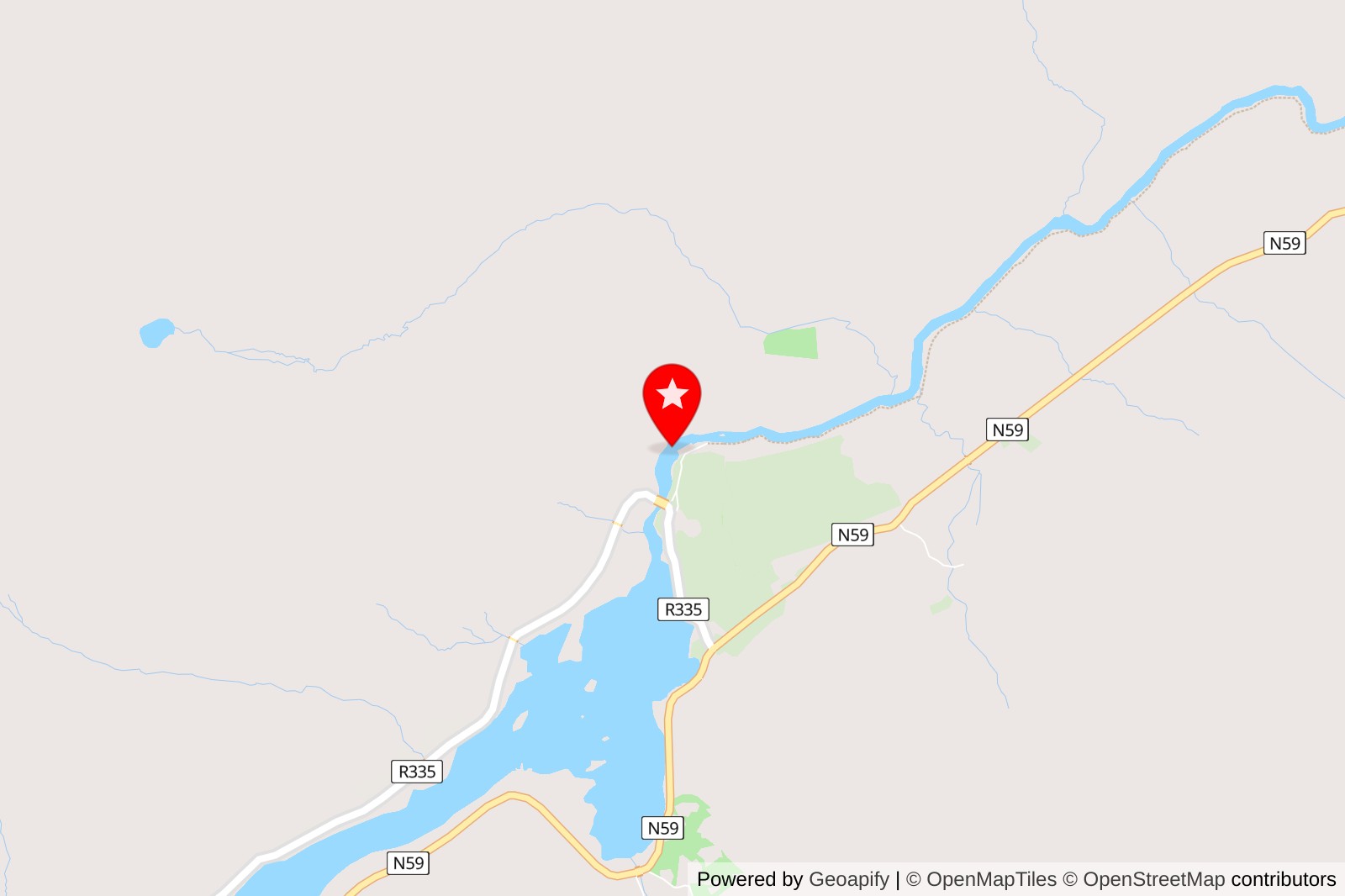
Aasleagh Falls is a beautiful spot you don’t want to miss. Imagine standing on the bridge and watching water race down the rocks after a good rain. It’s a wonderful sight in County Mayo, right on the border with Galway.
Getting there is pretty easy, but you need to be careful. The parking area is on a bend, so watch out for cars when crossing the road to reach the falls. Once you've parked, stick close to the edge when walking to get the best view of the falls.
If you’re a fan of David Attenborough, remember his visit here when he talked about the life of eels! You can enjoy this waterfall from afar if you choose to stay on the bridge for a stunning view. Comfortable walking shoes are a good idea if you decide to take a closer look down the muddy path.
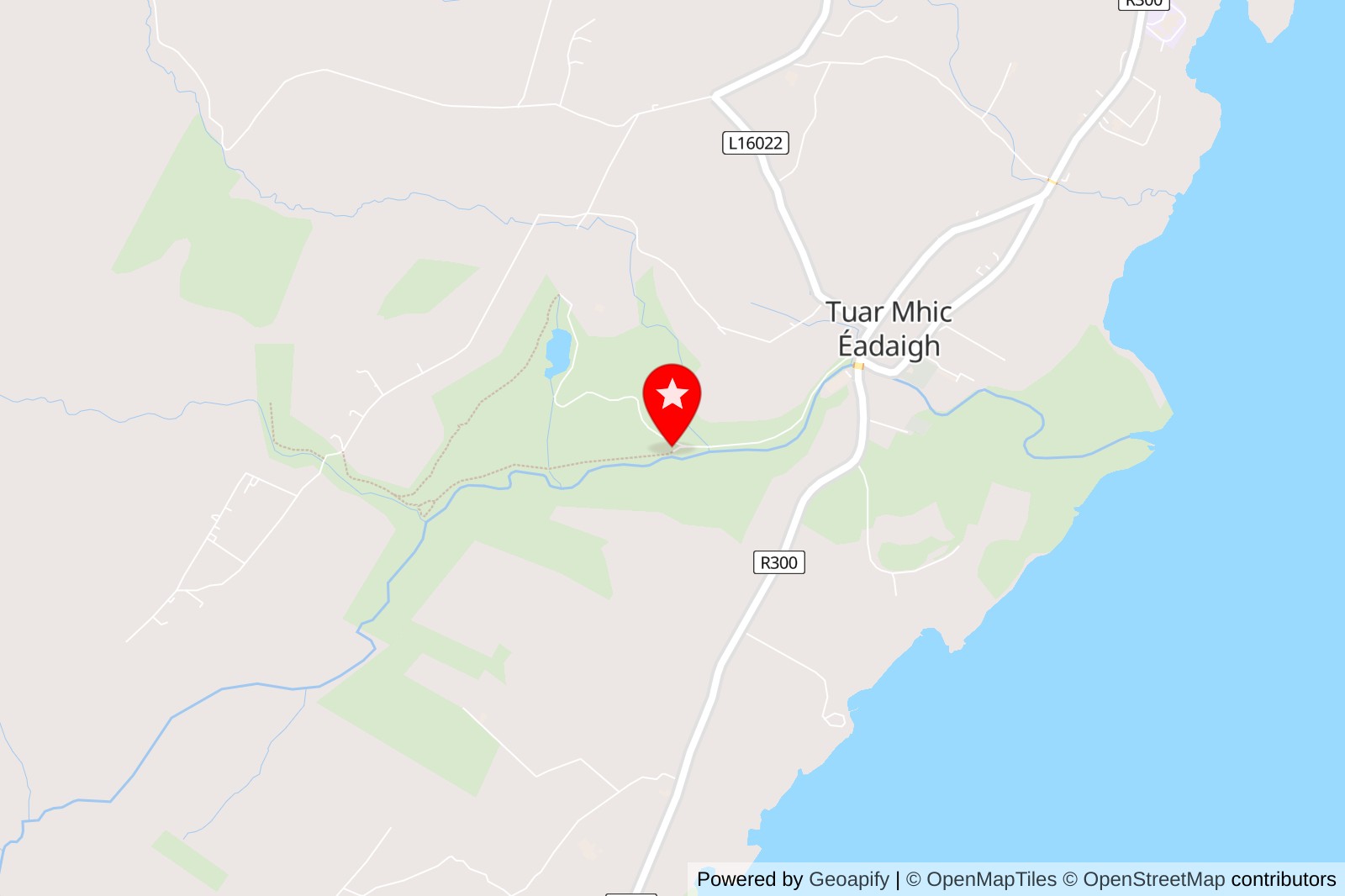
You’ll find Tourmakeady Waterfall hidden away in a peaceful forest. The walk to the waterfall is a gentle trek through lush greenery. As you stroll, you hear the sound of water long before you see it. The path is well-kept, perfect for a relaxed adventure with friends or family.
The waterfall itself is a stunning sight. Water cascades down over rocks, creating a calming sound. You can stand close enough to feel the mist on your face. It's a great spot to pause and take in the beauty of nature. This place is a perfect backdrop for photos, so don't forget your camera.
It's often not too crowded, which means you can enjoy the serenity of the area. The surrounding trees and plants add to the magic of the place. It's a lovely spot for a picnic or just a bit of rest before you head back.
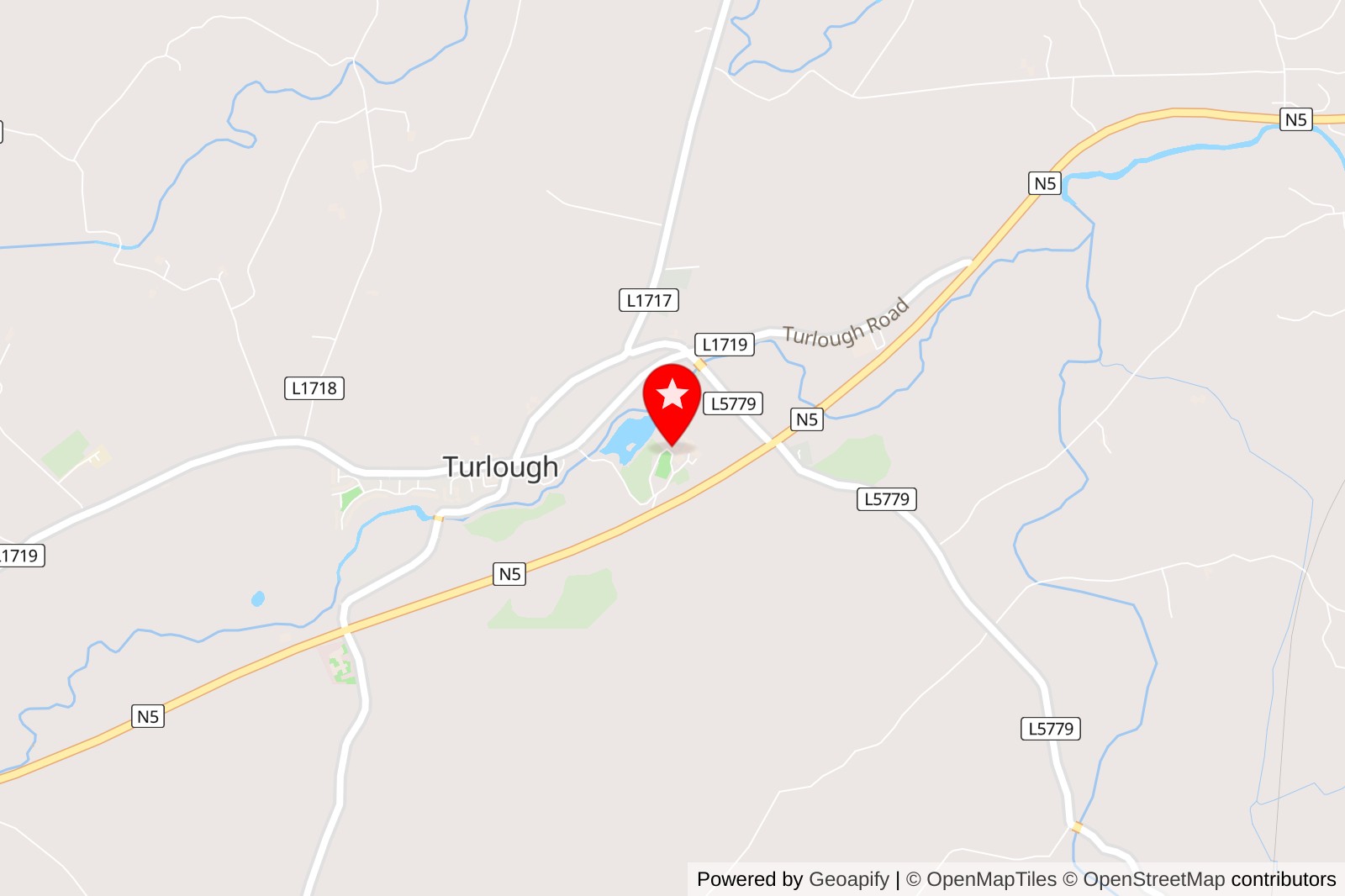
When you visit the National Museum of Ireland - Country Life, you step into a world celebrating Ireland’s rural past. It’s nestled in the beautiful Turlough Park, offering a perfect blend of culture and nature. You can enjoy the sights and sounds of Irish history in a captivating setting.
Inside the museum, you will find exhibits showcasing traditional Irish living. The Irish Folklife Collection is a must-see. It includes around 35,000 objects reflecting Ireland's cultural heritage. The displays are engaging and suitable for all ages, making it a fun stop for family visits.
The museum also hosts temporary exhibitions like Polish Folk Art, adding a vibrant touch to your visit. It's a place where you can learn something new, while also enjoying the familiar beauty of Irish traditions. This makes it a unique learning experience.
If you’re planning a visit, the museum is open with free admission, which is great for budget-friendly outings. No matter when you visit, this museum promises an enriching day for anyone curious about Ireland’s past.
If you're looking for an unforgettable experience in County Mayo, The Lost Valley is a must-visit. It feels like stepping back in time, untouched by the hustle of the modern world. Here, you can walk through ruined famine villages and see potato ridges that have remained undisturbed for nearly 200 years.
On your tour, you'll be welcomed by the warm and friendly hosts. You'll get to see a lively sheepdog demonstration and maybe even feed some lambs. The tour includes a cozy rest stop at a family cottage with a peat fire, tea, and cookies. It's a unique way to soak in the area's rich history and natural beauty.
The walking trail offers breathtaking views of the wild Atlantic, Killary Fjord, and untouched famine relics. As you explore, you'll learn about the valley's deep cultural heritage from a local perspective.
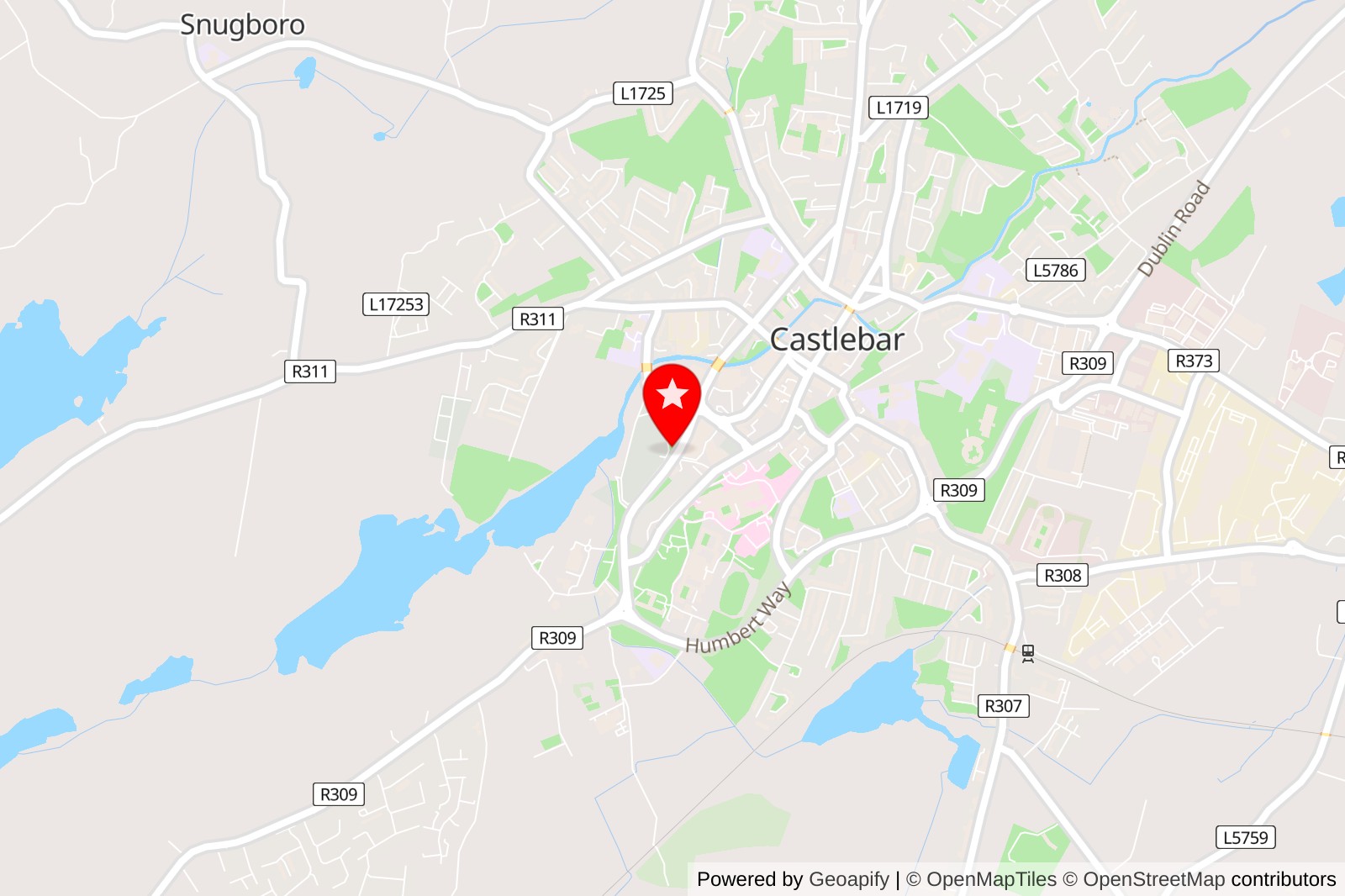
At the heart of County Mayo lies the Mayo Peace Park. This beautiful park is a place where you can reflect and find peace. As you walk through, you see trees and flowers enhancing the peaceful atmosphere. You’ll find yourself drawn to the memorials that honor those who served in past conflicts.
Take a moment to read the inscriptions on the stones. Each one tells a story of bravery and sacrifice. The park provides many spots to sit and enjoy a quiet moment. It’s a perfect place to find some tranquility in your day.
The location is convenient and easy to find. If you are ever in County Mayo, make sure to stop by. It’s a touching tribute that leaves a lasting impression on all who visit.
Cross Beach in County Mayo is a hidden gem that you're going to love. The beach is incredibly peaceful, making it perfect for a relaxing day. The soft sand feels great under your feet, and the views of the Atlantic Ocean are breathtaking. You might even catch a glimpse of some local wildlife while you're there.
It's a great spot for a long walk, whether you're on your own or with loved ones. The sound of the waves and the fresh air can clear your mind and lift your spirits. It's not a crowded place, so you'll have plenty of space to unwind and enjoy nature.
If you're into photography, Cross Beach offers fantastic photo opportunities. The scenery changes with the light, giving you different views through the day. The sunset here is particularly stunning and provides a wonderful backdrop for memories you’ll want to capture.
Imagine starting your adventure at the beautiful Portacloy Beach. The trail is a loop, stretching about 18 kilometers, taking you through some of the most stunning coastal scenery. The path follows high cliffs, reaching 255 meters above sea level at Benwee Head. As you walk, you're rewarded with sweeping views of the Stags of Broadhaven, Achill Island, and the Mullet Peninsula.
Along the way, you might spot some intriguing landmarks. Near the Rinroe Peninsula, the trail meanders near a historic knitting factory and an old school. A charming bog road brings you past a graveyard with ties to local folklore. Keep an eye out for the "EIRE 63" stone mark, a relic from WWII, and "The River of The Red Fairy."
Nature lovers will appreciate the wildlife and unique geology. The cliffs are made of ancient Dalradian quartzite, and these formations tell a story of the earth's history. The Stags of Broadhaven, rugged islands offshore, host diverse seabirds. Benwee Head captivates visitors with its dramatic views of rocky coves and jagged stacks.
10) The Achill Experience Aquarium & Visitor Centre
When you find yourself in County Mayo, a trip to the Achill Experience Aquarium & Visitor Centre is a must. This place is perfect for anyone fascinated by marine life. As you walk through the exhibits, you'll come across a wide range of fish, shellfish, and even some charming seahorses.
You’ll enjoy observing the interactive displays that make learning fun for both kids and adults. The center does a great job of explaining the local marine ecosystem. You might even get the chance to touch some sea creatures if you're feeling brave.
The visitor center offers more than just fish tanks. It also provides insights into Achill Island's cultural history. You can learn about local traditions and historical events that have shaped this beautiful island. Don’t forget to explore the outdoor areas, which offer stunning views and relaxing spots to sit and enjoy the landscape.
Exploring County Mayo offers a glimpse into Ireland’s rich history. Two standout sites include the luxurious Ashford Castle and the ancient Ballintubber Abbey.
Ashford Castle
You will find Ashford Castle nestled by Lake Corrib. This grand castle dates back to 1228 and is a marvel of medieval architecture. Originally built by the Anglo-Norman House of Burke, it is now a luxury hotel. Picture wandering through its sprawling gardens or admiring the opulent interiors.
This castle offers more than just history. Outdoor activities like falconry and boat tours are available, making it a diverse experience. Staying overnight is an option, but even a day visit lets you soak in its grandeur. Visit Ashford Castle to explore its unique blend of history and luxury.
Ballintubber Abbey
Ballintubber Abbey, founded in 1216, is one of Ireland’s oldest continuously used churches. You will appreciate its historical significance as it reflects Ireland's religious history. This abbey survived the Reformation and remained a place of worship.
The abbey's simplicity contrasts with its rich history and the stories told by its stone walls. Guided tours provide insight into its past and the restoration efforts. Walking the grounds, you’ll see ruins of the medieval monastery, offering a step back in time.
Whether you’re interested in history or spirituality, Ballintubber Abbey is a significant site. To learn more about what you can see there, check out Ballintubber Abbey.
Natural Attractions
County Mayo offers breathtaking natural sites that capture the beauty of Ireland. You'll be captivated by the towering peak of Croagh Patrick and the wide, scenic landscapes of Achill Island. Each place provides unique experiences, whether you’re hiking up a sacred mountain or exploring stunning coastal views.
Croagh Patrick
Croagh Patrick is not just a mountain; it's a legendary spot associated with Saint Patrick. Climbing this iconic peak is a spiritual and physical journey. The hike itself can be challenging, with a steep ascent, but reaching the summit is rewarding.
Once at the top, you're greeted with spectacular views of Clew Bay and the surrounding valleys. It's best to start your hike from the town of Murrisk. Remember to wear sturdy shoes and bring plenty of water. Every July, thousands of pilgrims make their way here for Reek Sunday, an annual day of worship. Whether you’re there for the religious significance or the adventure, this climb is a must-do.
Achill Island
Achill Island is Ireland's largest island and a gem within County Mayo. It offers you a mix of rugged landscapes and charming villages. Keem Bay, with its horseshoe-shaped sandy beach and stunning cliffs, is perfect for sunbathing or a picnic. Try not to miss a drive along the Atlantic Drive, which offers panoramic views of the ocean and mountains.
If you're into water sports, Keel Beach is ideal for surfing. On the island, there's a rich history to explore, including the Deserted Village at Slievemore. This village gives insight into life during the pre-famine era, making it a fascinating stop. Whether you're looking for outdoor adventures or peaceful retreats, Achill Island has something special for you.
Cultural Experiences
In County Mayo, Ireland, you can explore rich cultural histories and fascinating stories. Two of the best places to dive into this culture are Westport House and the National Museum of Ireland - Country Life.
Westport House
Westport House is a grand historical mansion that combines elegance with rich history. You'll find it set in beautiful gardens, perfect for a gentle stroll. The house has been home to the same family for over three centuries.
Inside, you can see stunning architecture and fascinating exhibitions. There's plenty to explore in its 30 rooms, including original antiques and artwork. Visitors often enjoy the guided tours that offer insights on the house's unique past.
For families, there are also adventure activities on the grounds. You can enjoy outdoor fun like zip-lining and rock climbing. This makes it a great spot to visit whether you’re a history buff or an adventure lover.
National Museum of Ireland - Country Life
The National Museum of Ireland - Country Life is located in Turlough Park. It tells the story of rural life in Ireland during the 19th and early 20th centuries. You'll love exploring its diverse collection of artifacts, which bring old Irish traditions to life.
Expect to see everything from handcrafted pottery to traditional clothing. It’s a great place to learn how people lived and worked in historical Ireland. The museum also hosts workshops and interactive displays, making it an enriching experience for all ages.
Its beautiful setting includes a lake and gardens, perfect for a relaxed walk. The museum offers a unique glimpse into Ireland's cultural past, making it a must-see during your visit to County Mayo.
Frequently Asked Questions
View towards Clare Island
County Mayo in Ireland offers a diverse range of activities and attractions, from historical sites to outdoor adventures. Whether you're visiting with family or planning a romantic getaway, there's something for everyone.
What are the top attractions to visit in County Mayo?
Can you recommend some fun activities for families to do in Mayo?
For families, Westport House is perfect with its beautiful grounds and fun events. Another great family activity is exploring the scenic vistas at Aasleagh Falls.
What are some romantic activities for couples in County Mayo?
Couples can enjoy a romantic day out at Tourmakeady Waterfall. Its tranquil setting makes it perfect for a peaceful walk. Consider spending a cozy day at Moore Hall, surrounded by nature.
Where can I find the hidden gems and unusual places to visit in Mayo?
Explore lesser-known spots like the Mullet Peninsula, which promises stunning views away from the crowds. The beauty of Keem Bay provides a unique experience that few visitors get to see.
What outdoor adventures are available in County Mayo?
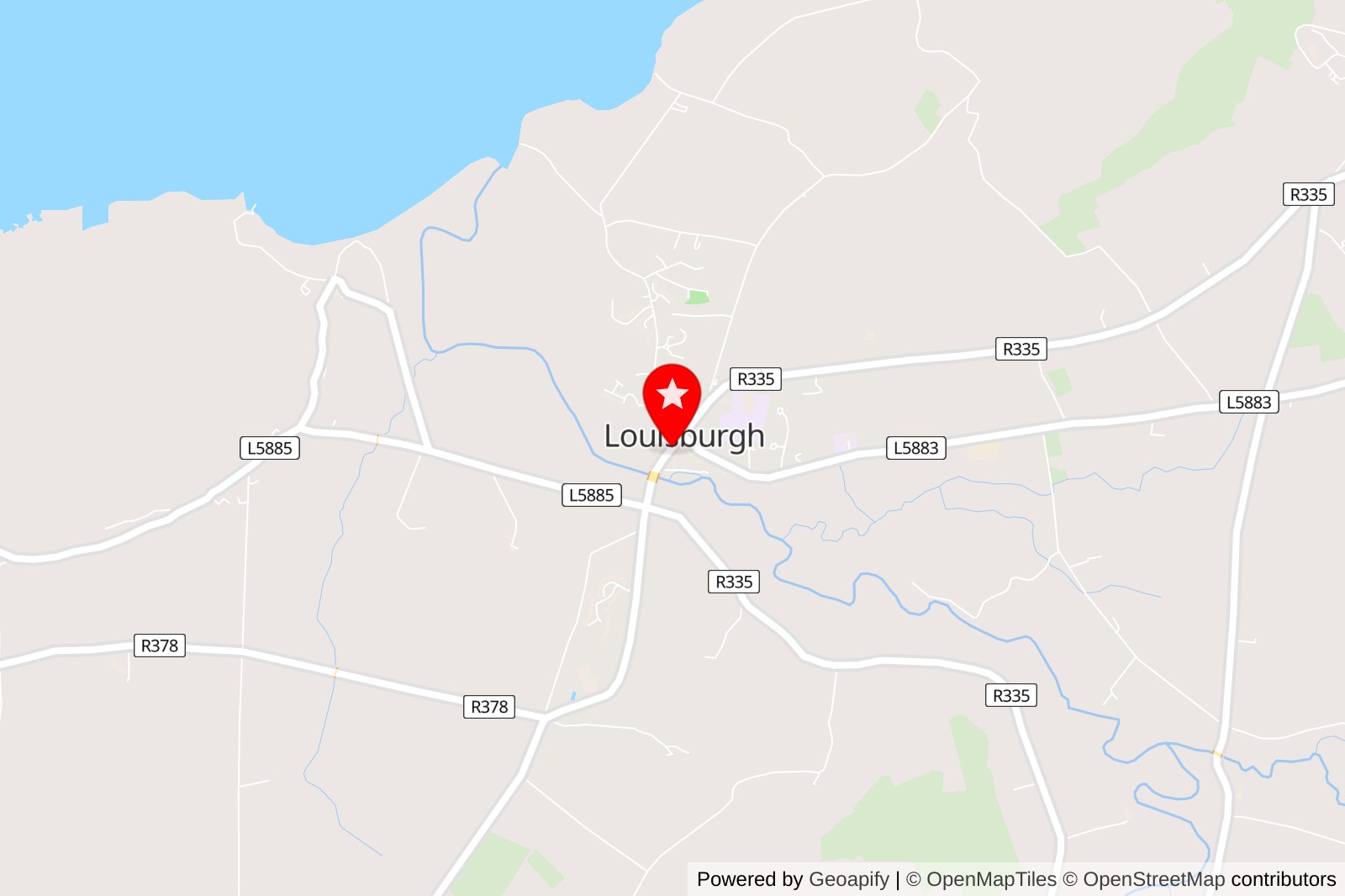
Discover the charm of Louisburgh, a quaint town nestled in County Mayo, Ireland. This gem on the Wild Atlantic Way offers stunning views of Clew Bay, the Atlantic Ocean, and the majestic Croagh Patrick mountain. Whether you're a nature lover, history buff, or simply looking for a peaceful getaway, Louisburgh has something for everyone.
You'll find plenty of exciting activities and sights to explore in and around Louisburgh. From beautiful beaches and scenic hikes to fascinating historical sites and cosy pubs, this area is packed with unforgettable experiences. Get ready to immerse yourself in the beauty and culture of this picturesque Irish town as we guide you through some of the top things to do and see.
1) The Lost Valley
The Lost Valley offers a captivating journey through time in County Mayo. You'll step back into 19th-century Ireland as you explore this hidden gem near Louisburgh.
Your guide will lead you on a scenic walk through the valley, sharing stories of the families who once called this place home. You'll see the remains of old cottages and learn about the struggles faced during the Great Famine.
The breathtaking views of Clew Bay and the surrounding mountains will leave you in awe. Keep an eye out for the local wildlife, including sheep grazing on the hillsides.
Don't forget your camera! The Lost Valley provides plenty of photo opportunities with its rugged landscape and stunning coastal scenery.
Nestled on the stunning west coast of Ireland, Louisburgh is a delightful village that will capture your heart. As you stroll through the quaint streets, you'll encounter colourful shopfronts and friendly locals..
The village's rich history is evident in its well-preserved 18th-century architecture. You'll feel like you've stepped back in time as you explore the area's historical sites, including the Old Head Cemetery with its ancient ruins and breathtaking ocean views.
Louisburgh's proximity to the Atlantic Ocean makes it a paradise for beach lovers. You can spend your days relaxing on the golden sands of Carrowmore, Carrowniskey or Old Head Beach, just a short drive away. The clean, crisp air and sound of crashing waves create a truly peaceful atmosphere.
For outdoor enthusiasts, the nearby Croagh Patrick mountain offers a challenging hike with rewarding panoramic views of Clew Bay. After your adventures, you can unwind in one of the village's cosy pubs, enjoying traditional Irish music and a pint of Guinness.
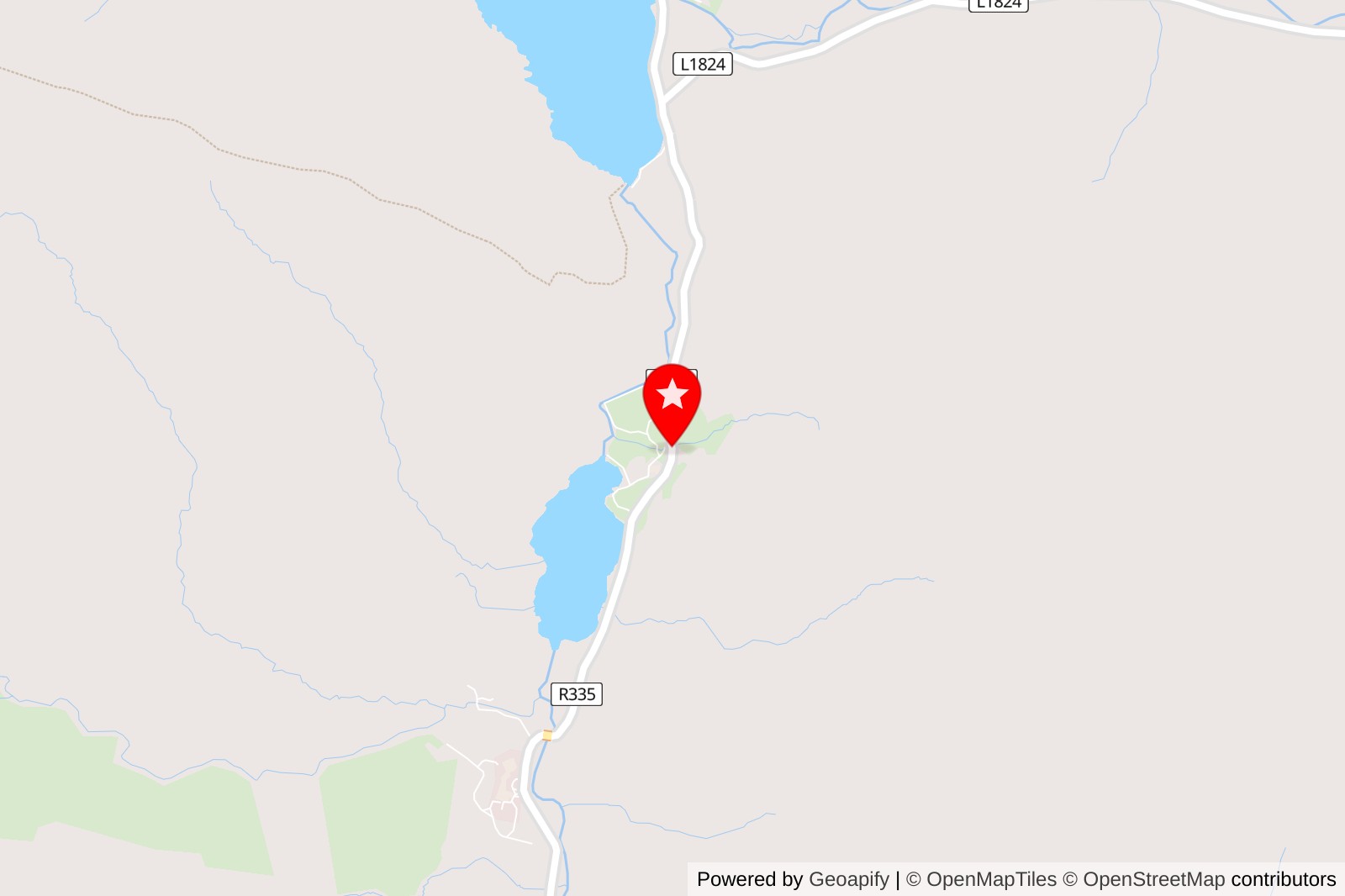
Nestled in the heart of County Mayo, Delphi is a beautiful spot you won't want to miss. This picturesque valley offers breathtaking views of the surrounding mountains and pristine lakes.
As you explore Delphi, you can take in the rugged beauty of the landscape. The area is perfect for outdoor enthusiasts, with plenty of hiking trails that wind through the lush green countryside.
If you're feeling adventurous, try your hand at fly fishing in one of the nearby rivers. The crystal-clear waters are teeming with salmon and trout, making it a popular spot for anglers of all skill levels.
For a unique experience, visit the Delphi Adventure Resort. Here, you can challenge yourself with activities like zip-lining, kayaking, and rock climbing. It's a great way to get your adrenaline pumping while taking in the stunning scenery.
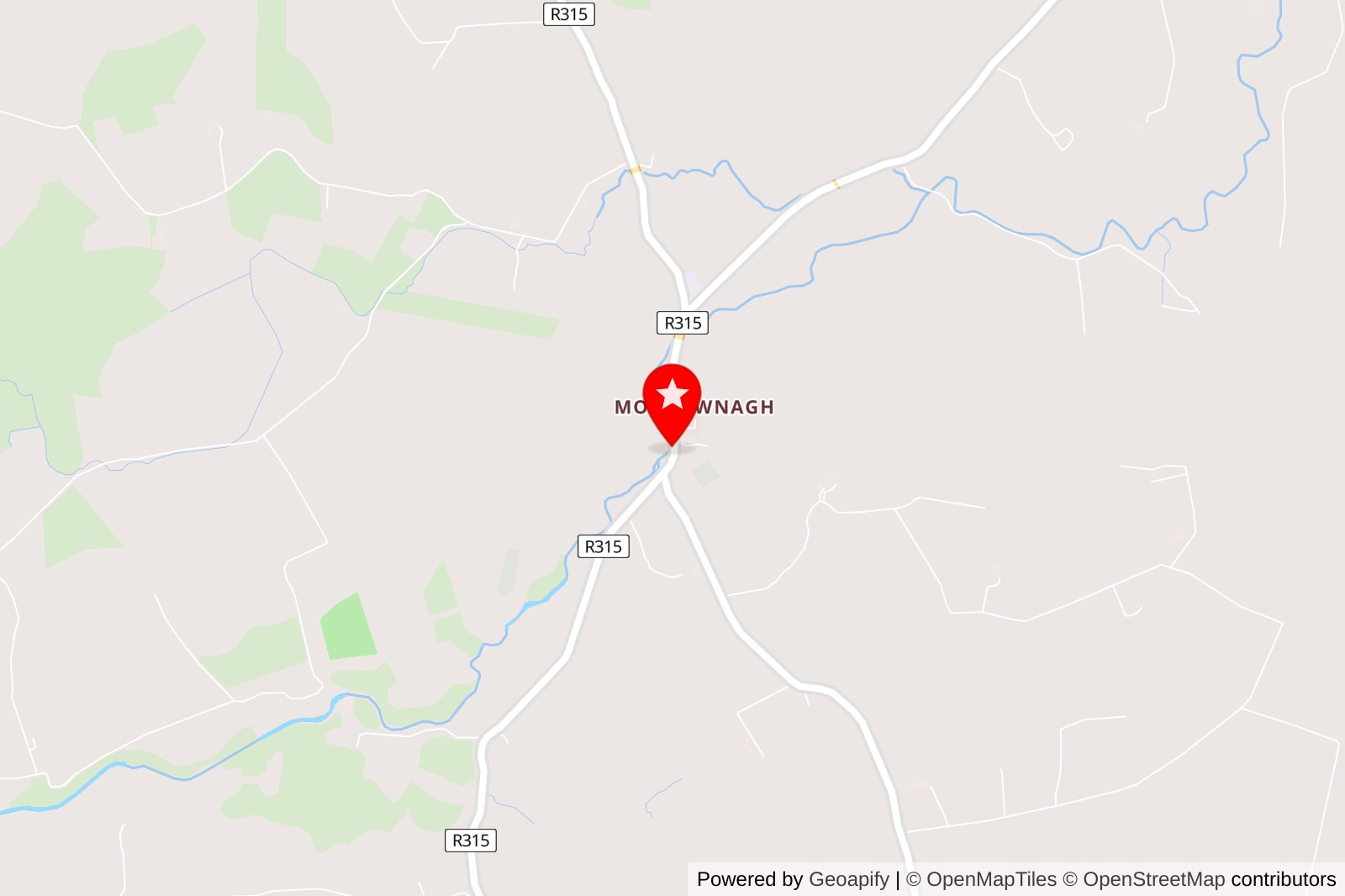
Moygownagh offers a glimpse into rural Irish life. You'll find yourself surrounded by rolling green hills and picturesque farmlands as you explore this quaint village.
The local church, St Cormac's, is a must-see. Its beautiful stone architecture and peaceful grounds provide a perfect spot for quiet reflection. You can take a leisurely stroll around the churchyard and admire the ancient headstones.
Moygownagh's community centre is a hub of activity. You might catch a traditional Irish music session or a local craft fair if you time your visit right. It's a great place to chat with friendly locals and learn about the area's rich history.
For nature lovers, the nearby countryside is a treat. You can enjoy scenic walks along winding country lanes, spotting native wildlife and taking in the fresh country air. Don't forget your camera – the views are truly breathtaking.
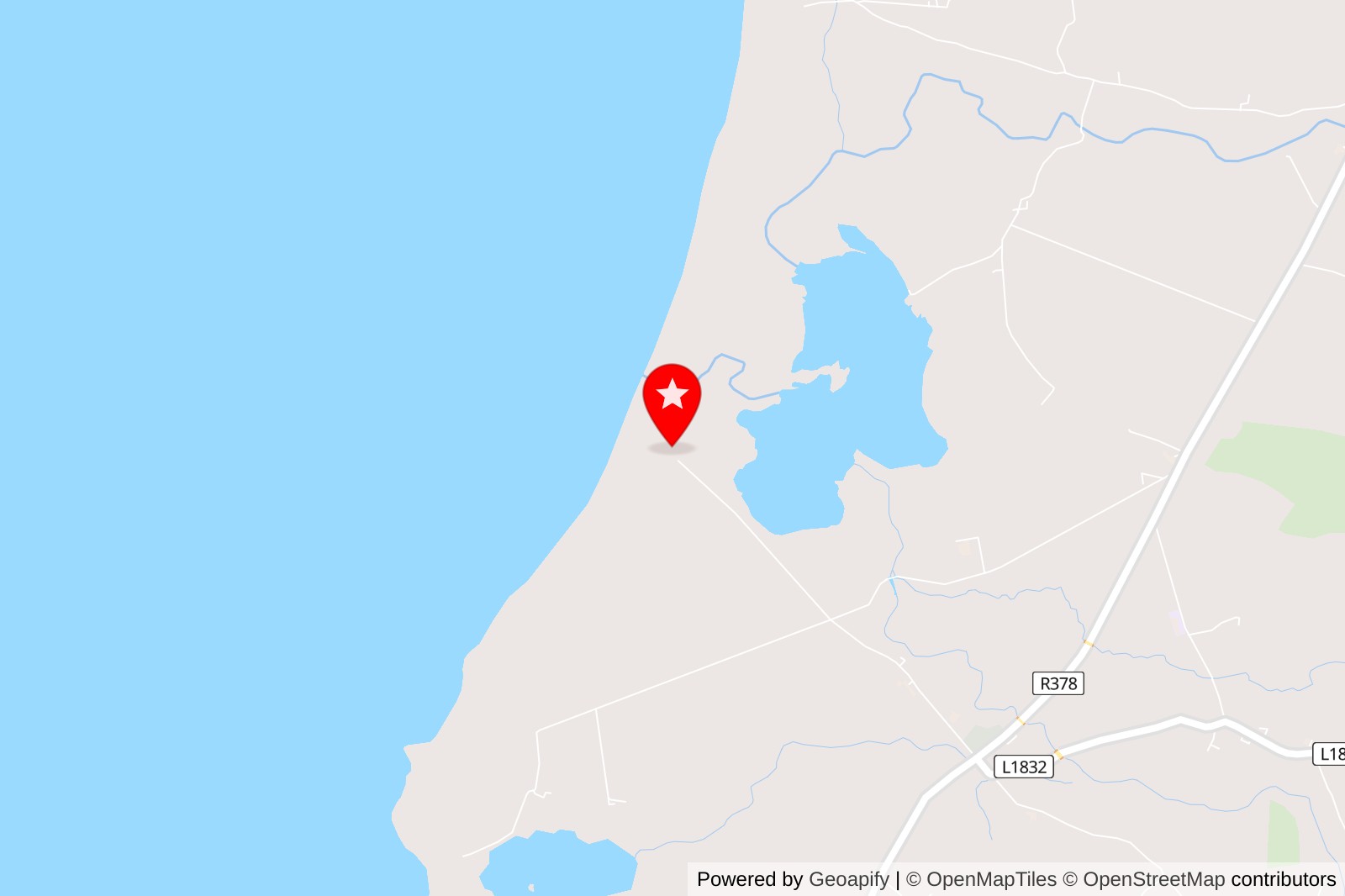
You'll find Cross Beach tucked away in the beautiful countryside of County Mayo. This scenic spot offers a peaceful escape from the bustle of daily life. As you step onto the soft sand, you'll feel the stress melt away.
The beach stretches out before you, inviting a leisurely stroll along the water's edge. Keep an eye out for interesting shells and pebbles as you wander. The waves provide a soothing soundtrack to your walk.
On a clear day, you can see stunning views of Clare Island and Achill Island in the distance. It's a perfect spot for photography enthusiasts to capture the rugged beauty of the Irish coastline. Don't forget to bring your camera!
If you're feeling brave, you might want to dip your toes in the Atlantic. The water can be chilly, but it's refreshing on a warm day. Pack a picnic and spend a relaxing afternoon soaking up the scenery.
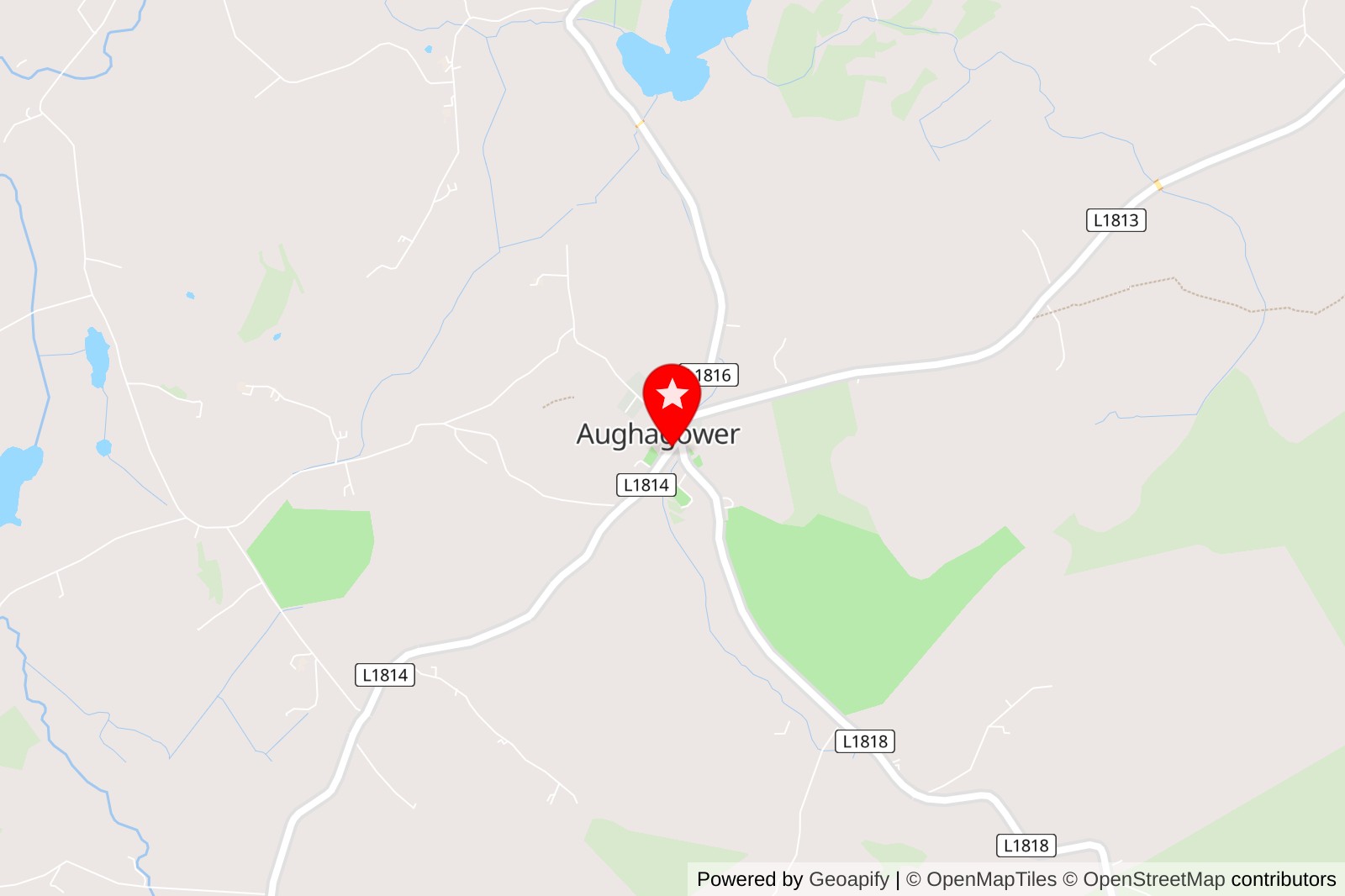
You'll find the small village of Aghagower in the picturesque countryside of County Mayo. As you wander through Aghagower, you'll come across its most famous landmark - the ancient round tower. Standing tall at 16 metres, this impressive structure dates back to the 7th century. It's a brilliant example of early Irish Christian architecture and a must-see for history buffs.
Next to the tower, you'll spot the ruins of a medieval church. Take a moment to explore the weathered stones and imagine the stories they could tell. The surrounding graveyard is also worth a look, with headstones that offer glimpses into the area's past.
Don't forget to bring your camera along. The stunning views of the Mayo countryside from Aghagower are perfect for capturing memories of your visit. The rolling green hills and distant mountains create a postcard-worthy backdrop.
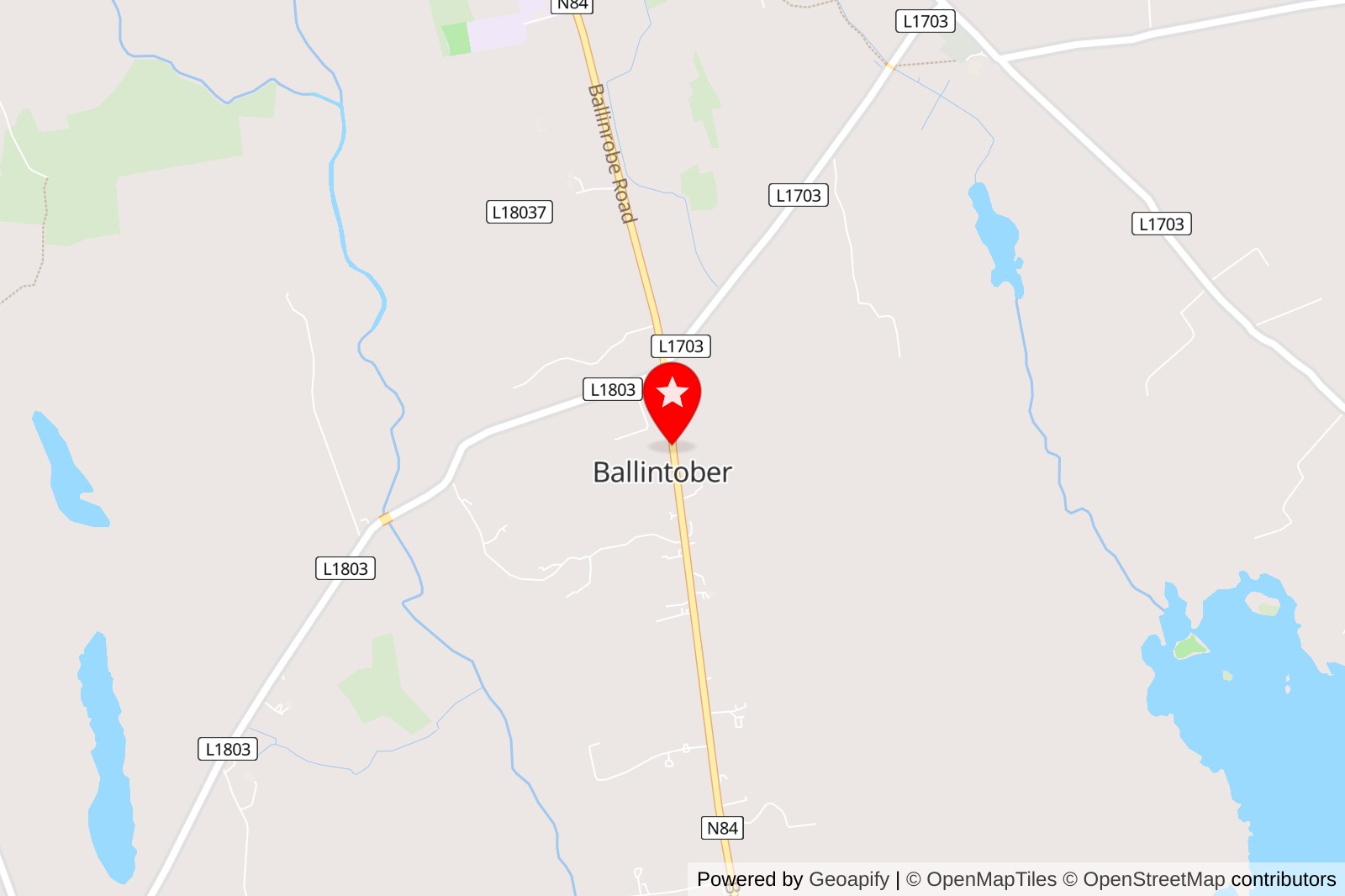
Ballintober is a village nestled in County Mayo. You'll find it's a perfect spot to soak up authentic Irish culture and history. The village's name means "town of the well" in Irish, hinting at its ancient origins.
Walking through Ballintober, you'll be struck by its peaceful atmosphere. The village is home to the stunning Ballintober Abbey, a 13th-century church that's still in use today. You can explore the abbey's grounds and admire its impressive stone architecture.
The surrounding countryside is a treat for nature lovers. You can take leisurely walks along quiet country lanes, breathing in the fresh Mayo air. Keep an eye out for local wildlife and enjoy the lush green landscapes that Ireland is famous for.
Don't miss the chance to chat with friendly locals at the village pub. You'll likely hear fascinating stories about the area's history and maybe even catch some traditional Irish music if you're lucky.
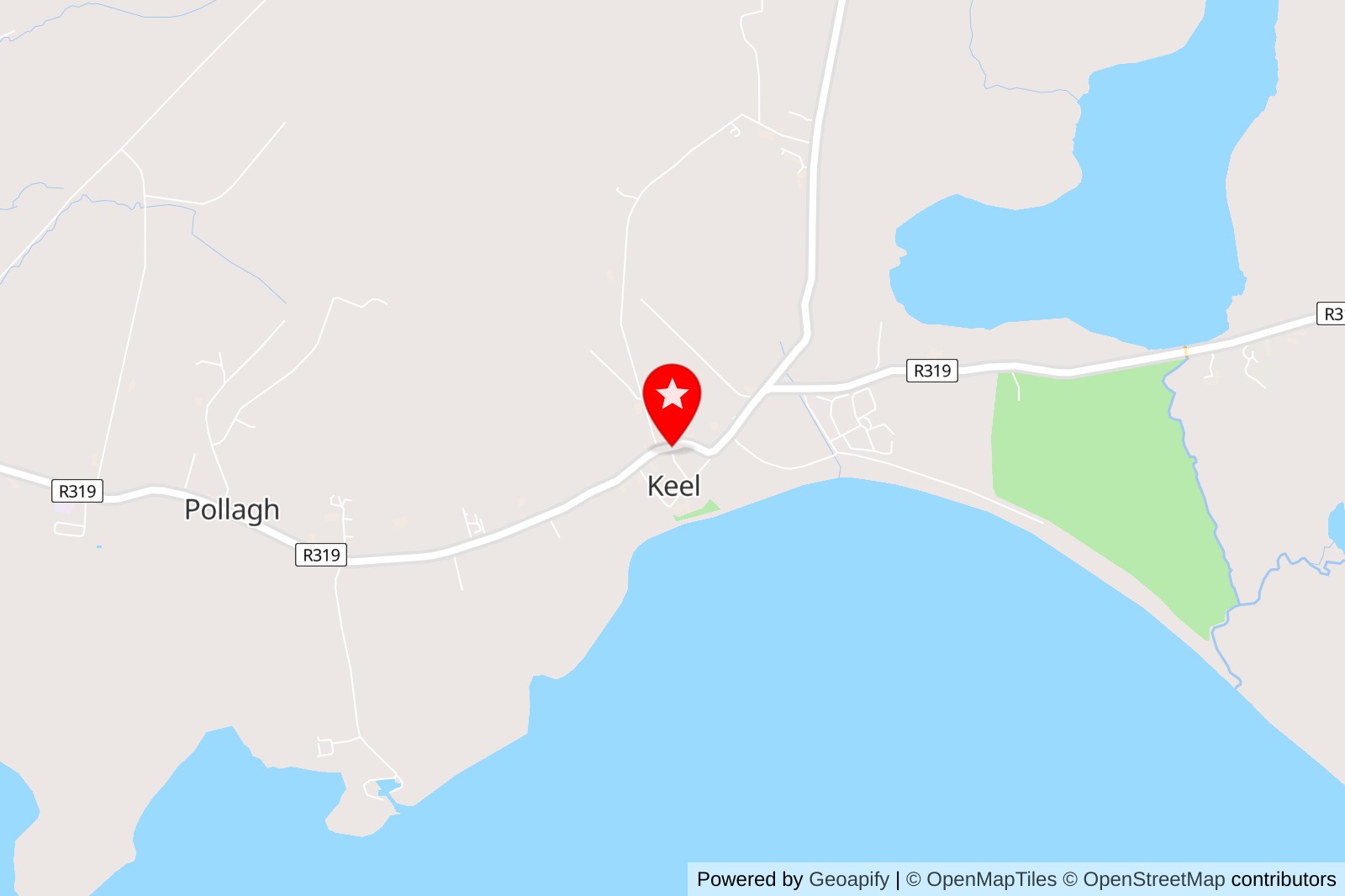
Keel is a picturesque coastal village nestled on Achill Island, just around the bay from Louisburgh. You'll be captivated by its renowned stunning golden sandy beach that stretches for kilometres along the Atlantic coast.
As you stroll along the shore, you'll feel the soft sand beneath your feet and breathe in the fresh sea air. The beach is perfect for a relaxing day out, whether you fancy a swim, a bit of sunbathing, or a leisurely walk.
For the more adventurous, Keel Beach is a popular spot for water sports. You can try your hand at surfing, windsurfing, or kitesurfing. The waves here are ideal for beginners and experienced surfers alike.
Don't miss the chance to take in the breathtaking views of Slievemore mountain looming in the background. The scenery is truly spectacular, making Keel a must-visit destination during your trip to Mayo.
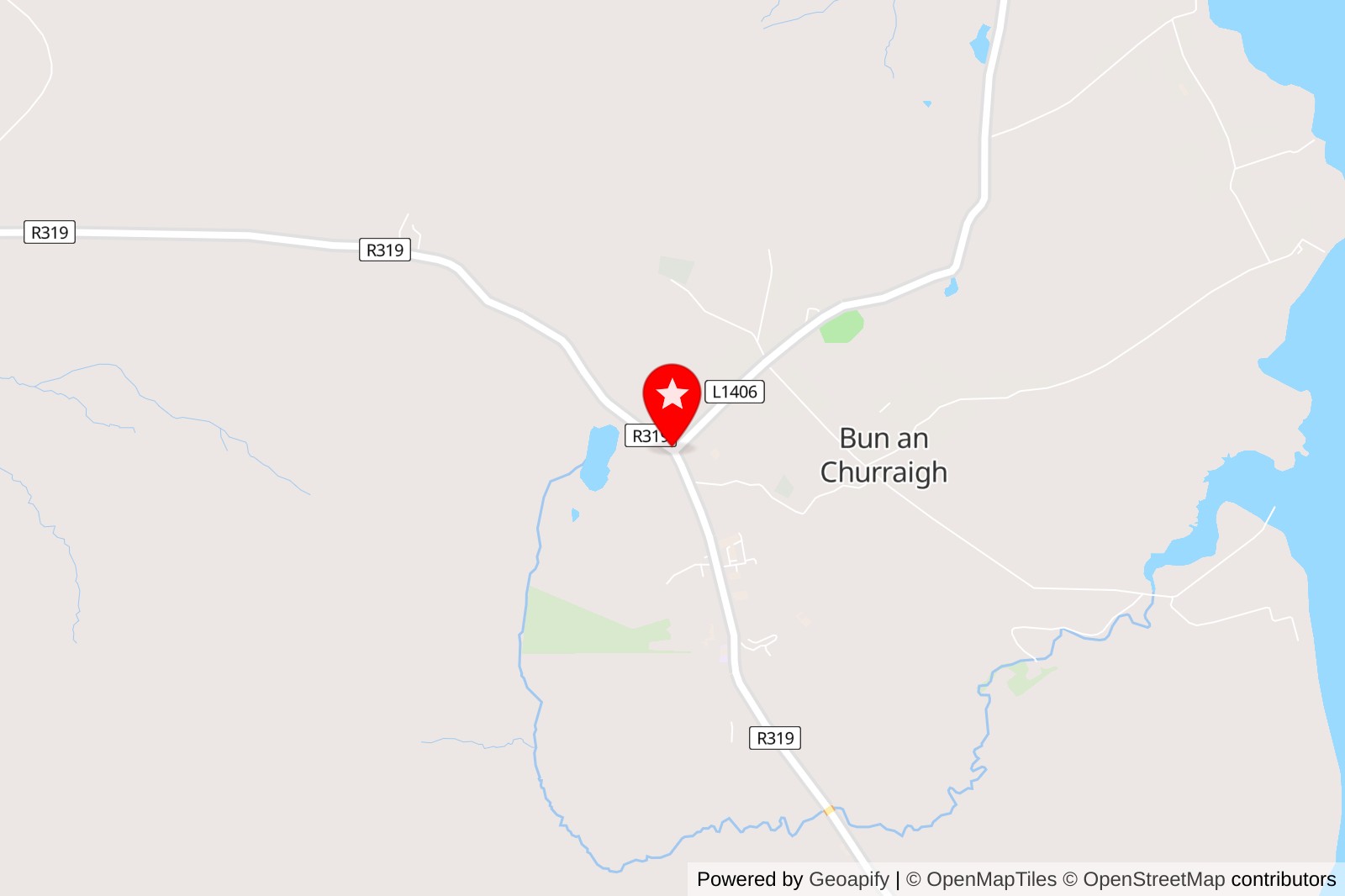
You'll find the village of Bunacurry on Achill Island, the largest island off Ireland's coast. It's a peaceful spot that offers a glimpse into traditional Irish rural life.
As you wander through Bunacurry, you'll notice the beautiful stone buildings that dot the landscape. The village is home to a historic Franciscan monastery, which stands as a testament to the area's rich religious heritage.
The surrounding countryside is a walker's paradise. You can take in breathtaking views of the Atlantic Ocean and the rugged Mayo coastline as you stroll along the quiet country lanes. Keep an eye out for the local sheep that often graze in the nearby fields.
Bunacurry is the perfect place to escape the hustle and bustle of everyday life. You'll feel a sense of calm wash over you as you breathe in the fresh sea air and take in the stunning natural beauty of this unspoilt corner of Ireland.
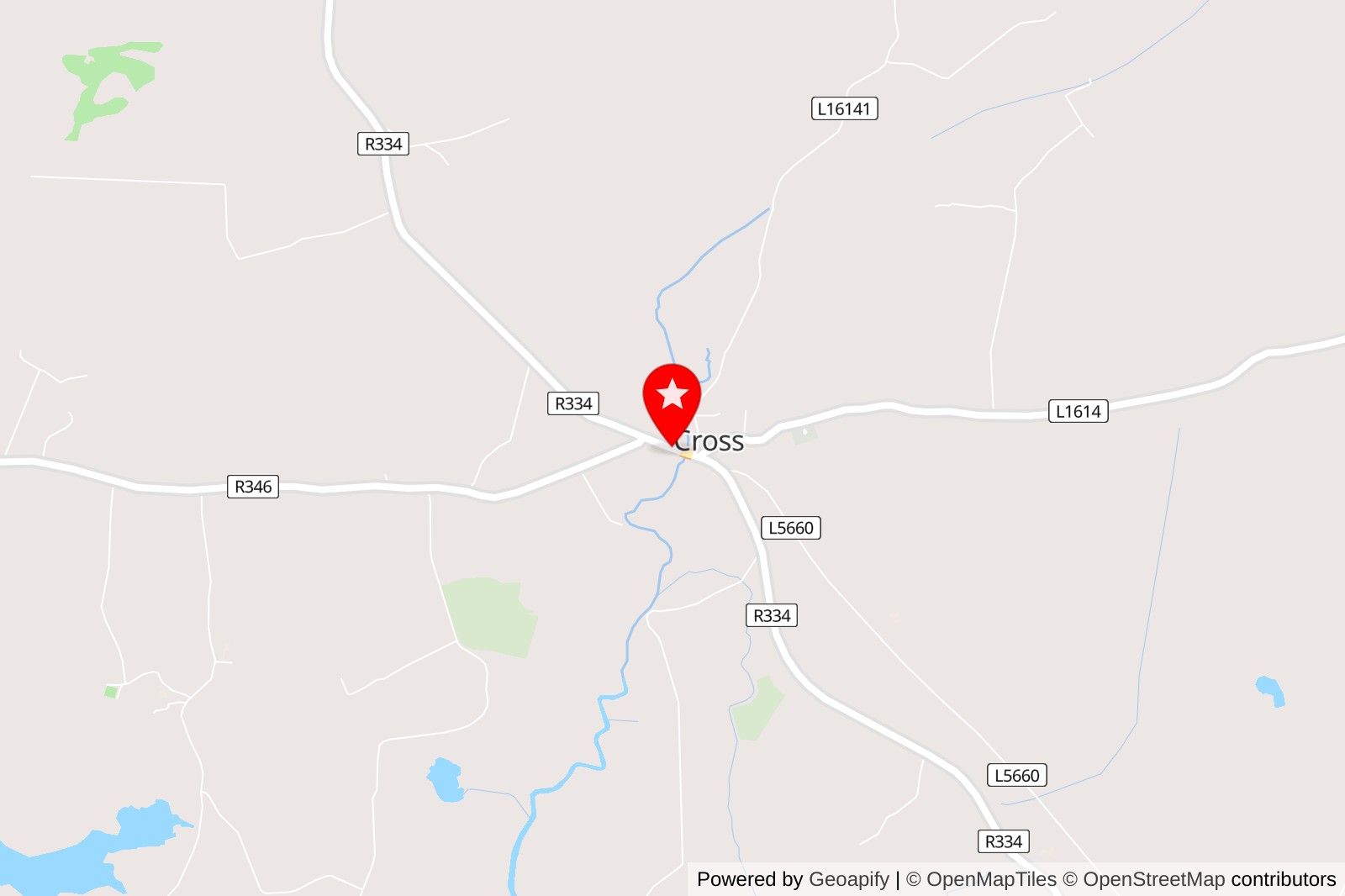
Cross is a small village in the heart of County Mayo. You'll find it tucked away in a picturesque corner of Ireland, offering a peaceful retreat from the hustle and bustle of city life.
Walking through Cross, you'll be captivated by its quaint atmosphere and friendly locals. The village is surrounded by stunning natural beauty, with rolling hills and lush green fields stretching as far as the eye can see.
One of the highlights of Cross is its traditional Irish pub. Here, you can enjoy a pint of Guinness and chat with the locals, soaking up the authentic Irish culture. The pub often hosts live music sessions, where you can tap your feet to joyful tunes.
Don't miss the chance to explore the nearby countryside. There are lovely walking trails that will lead you through breathtaking landscapes. Keep your camera handy - you'll want to capture the scenic views and perhaps spot some local wildlife along the way.
Louisburgh has a rich past that spans centuries. The town's story is filled with fascinating events, notable figures, and a deep cultural heritage that continues to shape its identity today.
Early Settlement
Louisburgh was founded in 1795 by the 3rd Earl of Altamont, John Denis Browne. He named it after his uncle, Lord Howe, who won the Battle of the Glorious First of June in 1794. The town was planned in a grid pattern, which was quite modern for its time.
In the early days, Louisburgh was a market town. It served as a hub for local farmers and traders. The surrounding area was mainly used for farming and fishing.
The Great Famine of the 1840s hit Louisburgh hard. Many residents died or emigrated. This event left a lasting mark on the town's history and population.
Cultural Heritage
Louisburgh's cultural heritage is deeply rooted in Irish traditions. The Irish language has always been important here. Many locals still speak it today.
Music and dance are big parts of Louisburgh's culture. Traditional Irish sessions are common in local pubs. The town hosts an annual traditional music festival.
Crafts like weaving and pottery have been practised for generations. You can still find local artisans keeping these traditions alive.
The town's connection to the sea is also part of its heritage. Fishing has been a way of life for many families for centuries.
Famous Personalities
Louisburgh has produced several notable figures over the years. One of the most famous is John Halloran, a renowned fiddle player. He helped keep traditional Irish music alive in the area.
Granuaile, or Grace O'Malley, the famous 16th-century pirate queen, had strong connections to the Louisburgh area. Her castle at Clare Island is visible from the town.
More recently, Louisburgh has been home to artists and writers drawn to its beautiful scenery. The poet Richard Murphy lived nearby and wrote about the area.
The town has also produced successful athletes, particularly in Gaelic games. These local heroes are celebrated and remembered fondly by the community.
Nature and Wildlife
Louisburgh's stunning natural beauty offers unforgettable experiences. You'll find breathtaking landscapes, diverse wildlife, and unique flora waiting to be explored.
Clew Bay
Clew Bay is a true natural wonder. You'll be amazed by its 365 islands dotting the bay, one for each day of the year. The largest, Clare Island, is home to diverse plant and animal species.
On a clear day, you can spot seals basking on the rocks. Keep your eyes peeled for dolphins playing in the waves, they often accompany the ferry from Roonagh Pier to Clare Island. Birdwatchers will delight in spotting various seabirds like gulls, terns, and cormorants.
Take a boat tour to get up close to the islands. You'll learn about the bay's rich history and ecology. Don't forget your camera – the views are spectacular!
Mweelrea Mountain
Mweelrea Mountain is the highest peak in Connacht. It offers a challenging but rewarding climb for experienced hikers. The views from the summit are breathtaking, stretching across Clew Bay and beyond.
As you ascend, you'll pass through different habitats. Keep an eye out for mountain hares and red grouse. The mountain's slopes are home to rare alpine plants that thrive in the harsh conditions.
For a gentler experience, take a guided walk on the lower slopes. You'll learn about the mountain's geology and wildlife without the strenuous climb.
Local Flora and Fauna
Louisburgh's diverse landscapes support a rich variety of plant and animal life. In the bogs, you'll find insect-eating sundews and colourful bog cotton. The coastal areas burst with sea pinks and yellow gorse in spring.
Look out for red foxes and hares in the countryside. Birdwatchers will be thrilled by the variety of species. You might spot robins and wrens, kestrels, or even a white-tailed eagle.
Visit the Lost Valley for a unique ecological experience. This untouched area showcases native Irish woodlands and rare plant species. You'll feel like you've stepped back in time as you explore this preserved landscape.
Local Events and Traditions
Horseracing on Carrowniskey beach
Louisburgh's vibrant culture shines through its lively events and cherished traditions. You'll find a mix of festivities, music, dance, and community gatherings that showcase the town's rich heritage and warm hospitality.
Annual Festivals
The Féile Chois Chuan is a highlight of Louisburgh's festival calendar. This summer event celebrates traditional Irish music, dance, and culture. You can enjoy concerts, workshops, and street performances throughout the town.
Louisburgh also hosts a charming Christmas market each December. Local artisans sell handmade crafts, and you can savour seasonal treats while enjoying carol singers and festive decorations.
The Granuaile Festival, named after the famous pirate queen Grace O'Malley, takes place in June. You'll love the historical reenactments, boat races, and seafood feasts that pay tribute to the area's maritime heritage.
Traditional Music and Dance
Traditional Irish music is the heartbeat of Louisburgh. You can catch live sessions in local pubs most nights of the week. The An Bhun Abhainn pub is a favourite spot for trad music lovers.
Don't miss the chance to try Irish set dancing at community céilís. These lively events are perfect for beginners and experienced dancers alike. You'll quickly pick up the steps with help from friendly locals.
The Louisburgh Comhaltas group organises regular music classes and performances. You can learn to play traditional instruments like the fiddle, tin whistle, or bodhrán.
Community Gatherings
The annual Louisburgh Horse Show brings the community together each August. You'll see impressive equestrian displays and enjoy family-friendly activities.
The St Patrick's Day parade is a colourful affair with floats, music, and plenty of green. Join locals in the town square for Irish dancing and live music after the parade.
Louisburgh's GAA club hosts regular Gaelic football and hurling matches. These exciting games are a great way to experience local sport and community spirit.
Frequently Asked Questions
Fishing from Carrowmore Pier
Louisburgh and its surroundings offer a wealth of attractions, activities, and dining options. You'll find plenty to see and do in this charming area of County Mayo, with easy access from nearby Westport.
What are the top attractions to visit in Louisburgh?
The Lost Valley is a must-see attraction near Louisburgh. You'll enjoy a walking tour through a historic valley that combines natural beauty with Ireland's famine history.
Cross Beach is another top spot. You can take in stunning views of Clew Bay and the Atlantic Ocean while strolling along the sandy shore.
Can you recommend any family-friendly activities in Westport?
Near Louisburgh, Westport offers fun for the whole family. You might enjoy a visit to Westport House, which has beautiful gardens and a pirate-themed adventure park.
The Great Western Greenway is perfect for cycling with kids. It's a traffic-free trail that runs from Westport to Achill Island.
How do I get from Westport to Louisburgh, and what can I see along the way?
The drive from Westport to Louisburgh takes about 30 minutes. You'll travel along the scenic R335 road, with stunning views of Clew Bay.
On the way, you might stop at Croagh Patrick Visitor Centre. You can learn about the mountain's history and even start a hike if you're feeling energetic.
What mountain can visitors explore near Westport in Mayo?
Croagh Patrick is the famous mountain near Westport. It's known as Ireland's holy mountain and offers breathtaking views from its summit.
You can climb to the top or simply admire it from afar. The visitor centre at its base provides interesting information about its religious significance.
Ireland has one of the most underrated food cultures in the world. Forget the clichés, modern Irish cooking is rooted in incredible seasonal produce, world-class seafood, and centuries of tradition that have quietly been having a moment. Whether you visited Ireland recently and want to recreate something you ate, or you're just curious about getting beyond soda bread and stew, a good Irish cookbook is one of the best souvenirs you can bring home.
The books below cover everything from deep-dive traditional cooking to relaxed family recipes for weeknight dinners. We've picked a range to suit different cooking styles and experience levels, so there's something here whether you're a confident home cook or someone who just wants straightforward, reliable recipes.
A Quick Guide to Irish Food Culture - What Makes Irish Food Different?
Irish cuisine gets lumped in with British food a lot, but they're really not the same thing. Irish cooking has its own distinct identity, shaped by geography, climate, and a deep connection to the land and sea.
A few things you'll notice across almost every good Irish cookbook:
Dairy is front and center. Ireland's grass-fed dairy is genuinely exceptional - the butter, cream, and cheeses show up everywhere, and they're worth seeking out good-quality substitutes for if you're cooking at home.
Seafood is a big deal. The Atlantic coastline produces some of Europe's best seafood - wild salmon, oysters, mussels, crab, and prawns feature heavily in modern Irish cooking, even if they're less prominent in older traditional recipes.
Root vegetables and brassicas are the backbone. Potatoes (obviously), parsnips, turnips, cabbage, and kale appear constantly. These aren't filler ingredients in Irish cooking - they're the main event in a lot of beloved dishes.
Lamb over beef in the west. This comes up a lot in cookbooks. The west of Ireland in particular is sheep country, so traditional recipes from that region tend to favor lamb, especially in stews.
The Dishes You'll See Most
New to Irish cooking? These are the recipes that come up again and again across the books below, and worth knowing before you dive in:
Irish stew - traditionally made with lamb, potatoes, and onions. Simple and deeply satisfying.
Colcannon - mashed potato with cabbage or kale and a generous amount of butter. One of those dishes that sounds plain and tastes incredible.
Boxty - an Irish potato pancake, popular in the north and midlands. Crispy outside, dense inside.
Soda bread - leavened with baking soda rather than yeast, quick to make and endlessly versatile.
Dublin Coddle - a one-pot dish of sausages, bacon, potatoes, and onions. A real comfort food classic.
Champ - similar to colcannon but made with spring onions (scallions). Popular in Northern Ireland.
Knowing these going in makes it a lot easier to navigate a new cookbook and figure out which recipes are the staples worth mastering first.
Best Irish Cookbooks
Get ready to explore a delightful collection of the best Irish cookbooks. These selections will help you bring the flavours of Ireland right to your own kitchen.
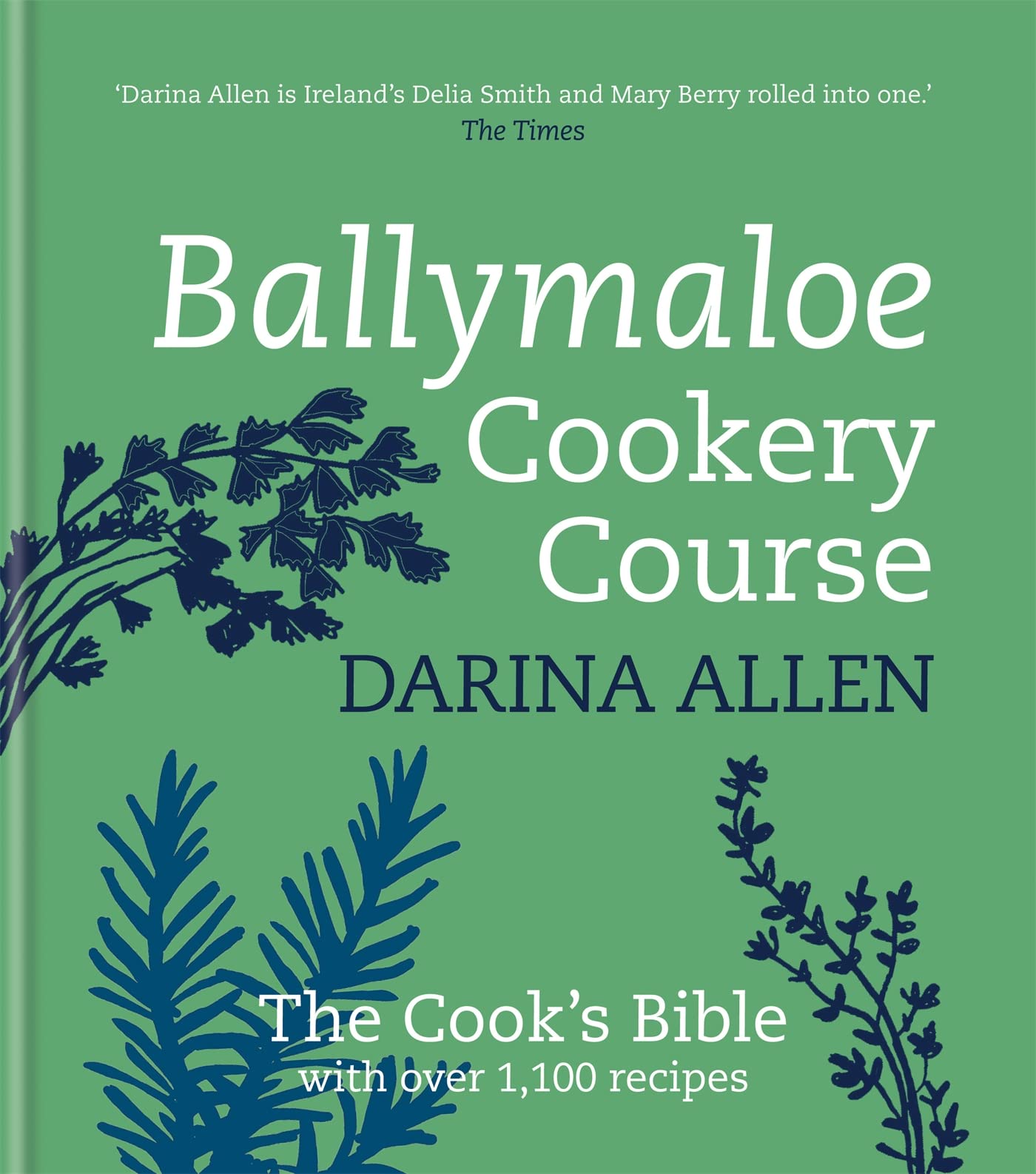
If you want one book that covers the full sweep of Irish food history alongside actual recipes, this is it. Darina Allen is the founder of the Ballymaloe Cookery School in County Cork, and she brings that authority to every page. There are over 300 recipes here, but what makes it more than just a recipe collection is the context - each dish comes with background on where it comes from and why it matters.
The recipes themselves are unfussy and honest, the kind of food that's actually eaten in Irish homes rather than dressed up for a restaurant menu. A heads up: the Shepherd's Pie uses beef rather than lamb, which will surprise traditionalists. And if you already own "The Complete Book of Irish Country Cooking" by Allen, there's a fair bit of overlap. That aside, this is a genuinely useful book that earns its shelf space.
Best for: Anyone who wants to understand Irish food properly, not just cook it.
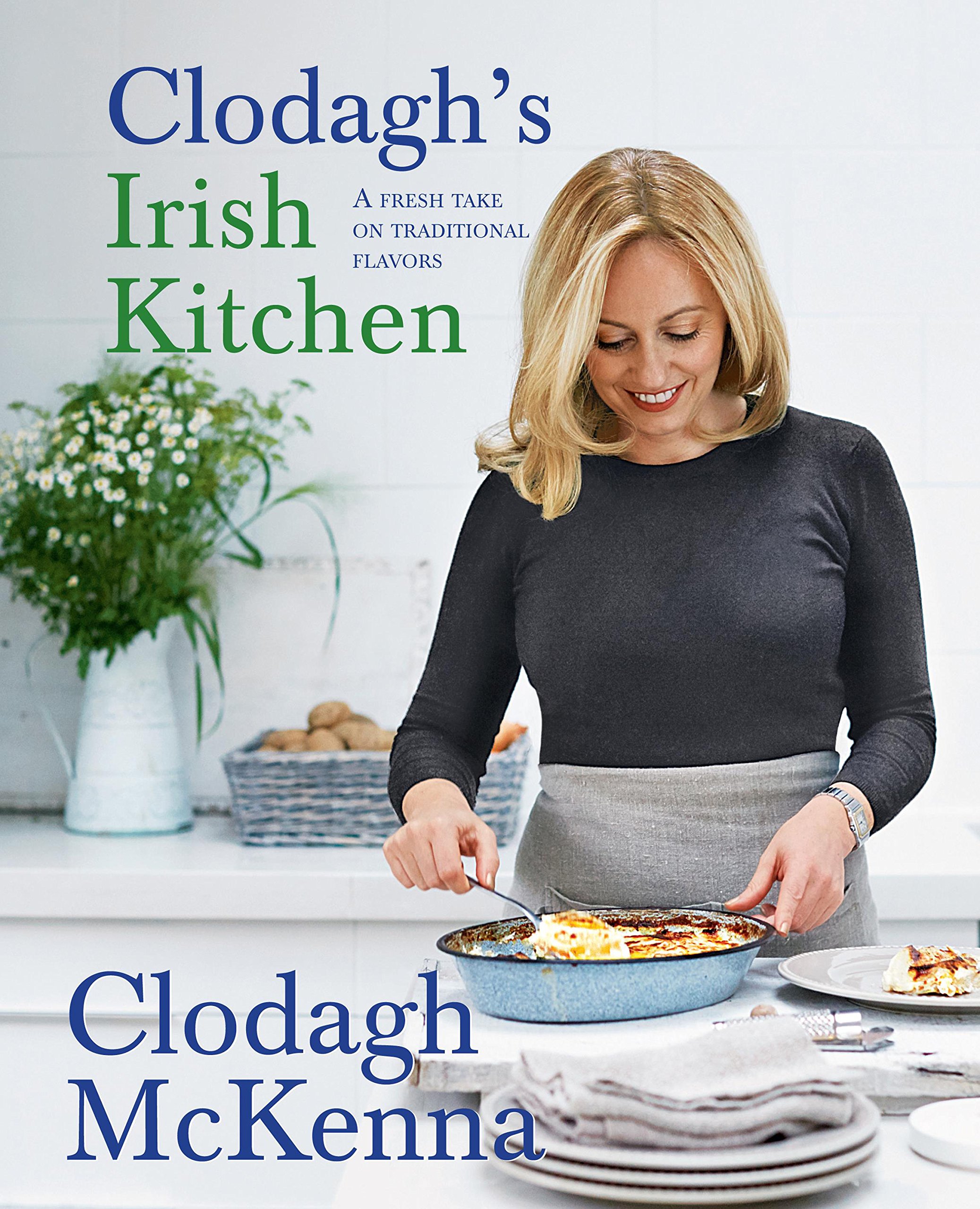
Clodagh McKenna takes traditional Irish recipes and gives them a lighter, more contemporary feel without losing what makes them Irish. It's a beautiful book to own - the photography alone makes it worth flipping through - but it's also practical enough to actually cook from.
The instructions are clear and accessible, making this a good pick if you're newer to Irish cooking and want something approachable. The Guinness Cake recipe in particular is outstanding. The main limitation is that vegetarian options are limited, and a handful of ingredients might require a specialist grocery run if you're outside a major city.
Best for: Home cooks who want modern Irish food with beautiful presentation.
Pros: Stunning photography, easy instructions, fresh take on classics
Cons: Limited vegetarian options, some niche ingredients, large and heavy
This is less a cookbook and more a complete culinary education in book form. The step-by-step approach is unusually thorough - it explains not just what to do but why, which makes it genuinely useful for building skills alongside cooking specific recipes. The Porter Cake alone is worth the purchase.
It's a substantial investment, both in price and in size. This is a big, heavy book that takes up real shelf space. But if you're serious about cooking and want a reference that covers Irish and broader European traditions in real depth, it's one of the best options available. The hardcover edition is also just a nice thing to own.
Best for: Confident home cooks who want to properly learn technique alongside recipes.
Pros: Exceptional detail, comprehensive recipe range, beautiful hardcover Cons: Expensive, very large and heavy, some inconsistent terminology
Exactly what it sounds like - a well-presented collection of traditional Irish pub food done properly at home. The photography is excellent, and the recipes are laid out clearly enough that even newer cooks can follow them without difficulty.
The focus is firmly on the classics, which is either a strength or a limitation depending on what you're looking for. If you want traditional Irish comfort food with clear guidance, this delivers. If you're hoping for more contemporary or adventurous recipes, look elsewhere. A handful of ingredients might be tricky to source outside urban areas.
Best for: Anyone who wants reliable, traditional Irish comfort food recipes.
Pros: Great photography, easy-to-follow format, durable hardcover Cons: Sticks closely to traditional recipes, some harder-to-source ingredients, shorter than other options.
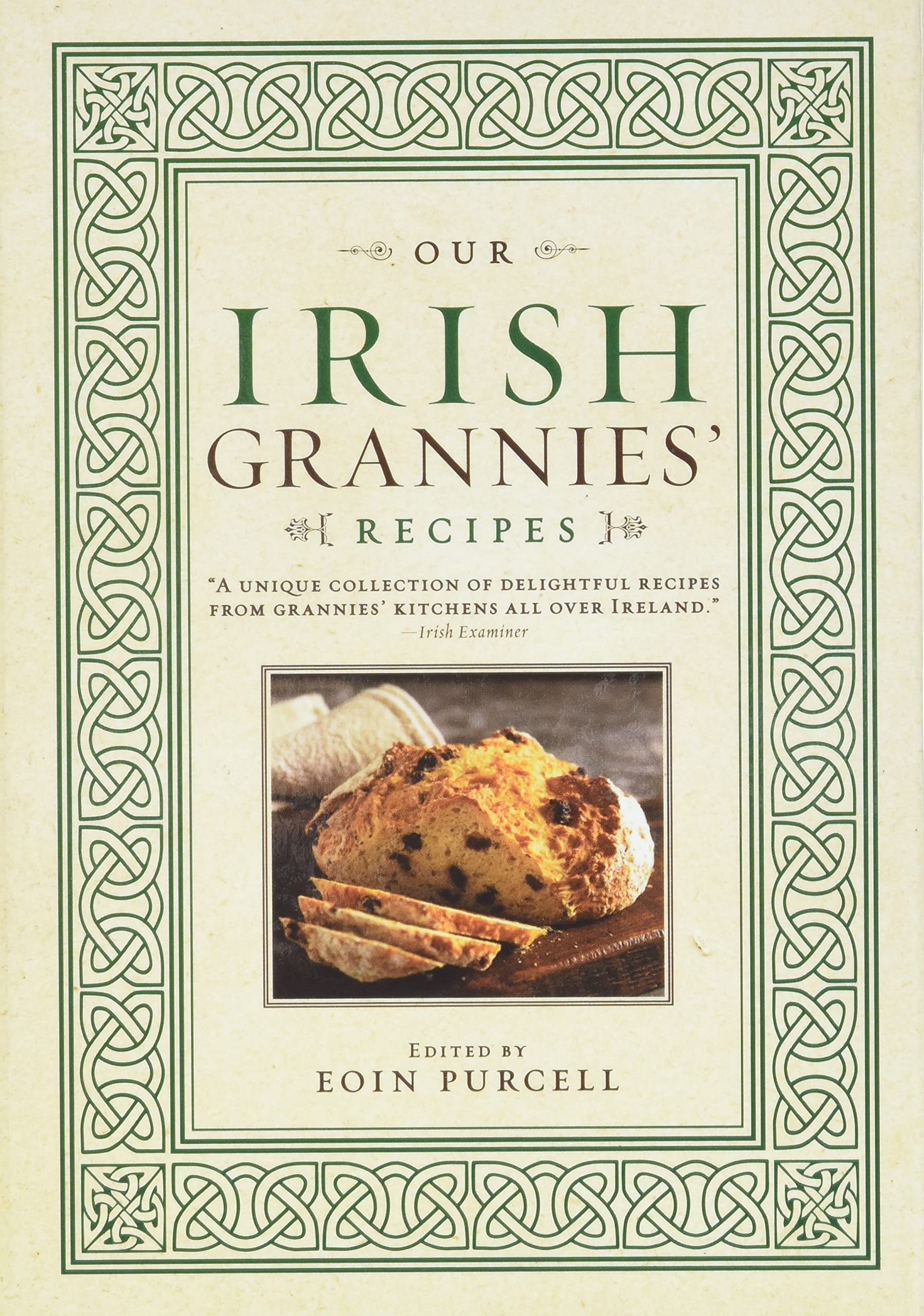
This one has a different feel to the other books on the list. It's a collection of family recipes passed down through generations, each tied to a personal story, so cooking from it feels less like following a professional chef and more like being guided by a relative. The Brown Bread recipe in particular has become a staple for a lot of readers.
The tone is deliberately casual, which won't suit everyone - if you're after a formal, structured cookbook, this isn't it. A few recipes use unusual ingredients (lamb's head appears, which will catch some people off guard). But for anyone who wants to connect with the domestic, everyday side of Irish food culture rather than the restaurant version, this is a lovely book.
Best for: People who want the homespun, family side of Irish cooking.
Pros: Personal stories add real warmth, simple comforting recipes, compact and easy to store
Cons: Some unusual ingredients, casual tone won't appeal to everyone, some recipes are very basic
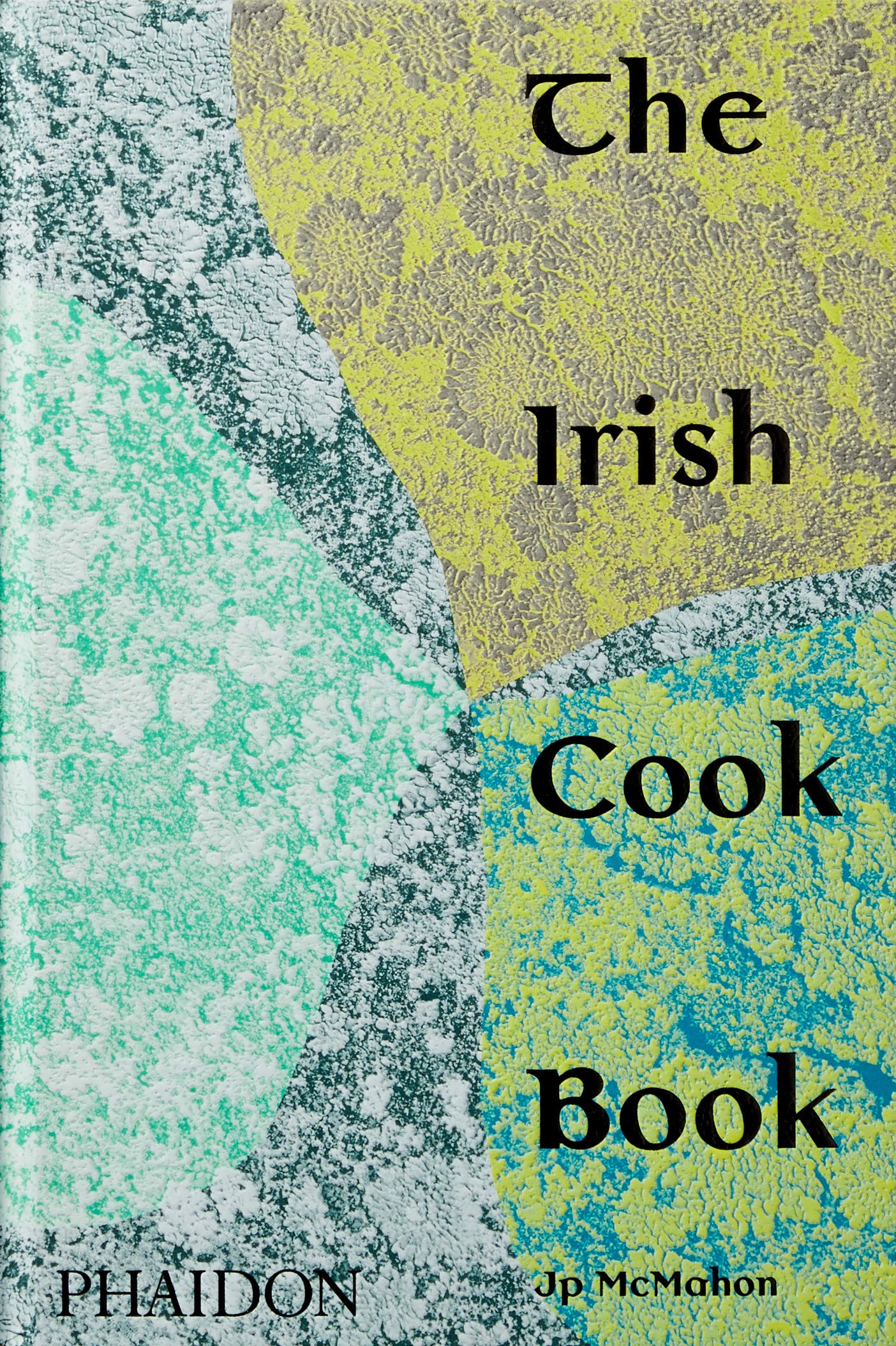
This is the most comprehensive book on the list. 480 recipes, extensive historical research, and a genuine attempt to document Irish food culture as a whole rather than just its greatest hits. JP McMahon is one of the most respected voices in modern Irish cooking, and that shows in the depth and seriousness of the writing.
The historical context woven through each section genuinely adds something - you finish the book with a real understanding of how Irish food evolved, not just a folder of recipes. It's heavy and some recipes may need tweaking to suit your palate, but for anyone who wants to go deep on Irish cooking, this is the most authoritative option available.
Best for: Serious food enthusiasts who want depth and cultural context alongside recipes.
Pros: Unmatched recipe range, thorough historical context, beautiful photography Cons: Large and heavy, some recipes need adjustment, not for casual dipping-in
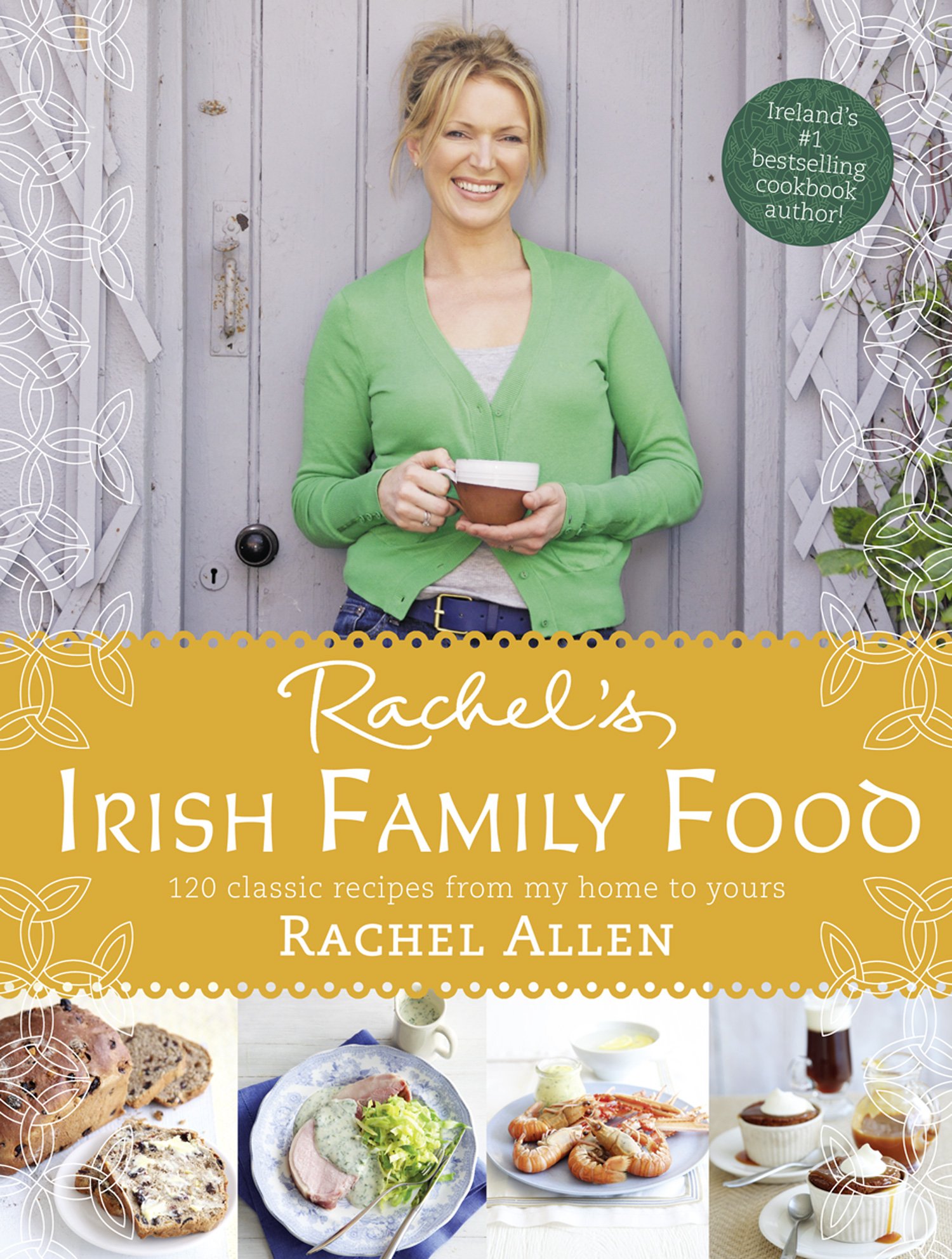
Rachel Allen - daughter-in-law of Darina Allen and a Ballymaloe Cookery School graduate herself - brings a warm, relaxed approach to Irish home cooking that makes this book feel genuinely usable rather than aspirational. The recipes are accessible to any level of home cook, and the photography is lovely. The lamb shank and Dublin Coddle are particular highlights - hearty, comforting food that's satisfying to make and eat.
The main caveat: if you already own other Rachel Allen cookbooks, there's some overlap, and this is also available as an ebook only, which isn't everyone's preference. But taken on its own terms, it's a solid, reliable collection of Irish family cooking that earns a regular spot in the kitchen rotation.
Best for: Home cooks who want approachable, everyday Irish recipes.
Pros: Easy to follow, great photography, good range of dishes
Cons: Overlaps with Allen's other books, digital format only, limited new content for existing fans
Which Irish cookbook is best for traditional recipes?
For the most comprehensive traditional coverage, Irish Traditional Cooking by Darina Allen is hard to beat. The Complete Irish Pub Cookbook is also excellent if you're specifically focused on the classic comfort food side of Irish cooking.
What traditional Irish dishes should I learn first?
Most good Irish cookbooks will cover the essentials: Irish stew, soda bread, colcannon, boxty, and Dublin Coddle. These are the dishes that come up most often and give you the best grounding in Irish cooking technique and flavor.
Which books are best for home cooking rather than special occasions?
Rachel's Irish Family Food and Our Irish Grannies' Recipes are both focused on everyday, practical home cooking. Neven Maguire's Midweek Meals is also worth looking at - it's specifically designed around realistic weeknight cooking and is one of the most popular Irish cookbooks in that category. For a broader overview that works well in a home kitchen, Irish Food & Cooking by Biddy White Lennon and Georgina Campbell is a reliable choice.
Are these cookbooks suitable for non-Irish cooks?
Absolutely. Most of the books on this list are specifically written with an international audience in mind - they explain context, source alternatives where needed, and don't assume you have access to specialist Irish ingredients. The Ballymaloe Cookery Course in particular is widely used by home cooks around the world, not just in Ireland.
Do these books cover modern Irish cooking or just traditional recipes?
One of the things that surprises a lot of visitors to Ireland is the food. The combination of exceptional dairy, fresh seafood, and produce grown in a genuinely ideal climate creates a food culture that's simple but hard to replicate anywhere else.
A good cookbook gets you closer than you'd expect. The books above represent the best of what's available - whether you want to work through a complete culinary education or just nail a proper Irish soda bread on a Sunday morning.
When you are in the area we highly recommend visiting the local book shops. Books@One in Louisburgh Main Street and Tertulia on Westport Quay are both fantastic local independent bookshops with a great customer experience.
If you want to pick up a guide before your visit here are some of the best ones.
Travel guides can be an essential resource for exploring new destinations. They provide detailed information on sights, activities, accommodation, and dining options, helping you make the most of your trip. When it comes to Ireland's Wild Atlantic Way, and the area around Louisburgh, having a reliable travel guide can be invaluable. These guides often include tips on hidden gems, historical background, and practical advice to navigate the area smoothly.
The Wild Atlantic Way stretches along the west coast of Ireland and covers some of the country's most stunning landscapes. Louisburgh, a charming village along this route, offers breathtaking views, rich history, and vibrant local culture. Travel guides for this region can enhance your experience by pointing out must-see locations, scenic drives, and authentic local experiences.
When choosing a travel guide, consider factors such as the depth of information, ease of use, and the inclusion of maps and visuals. You might also want to look at the publication date to ensure the content is up-to-date. A good guide should be user-friendly, packed with useful insights, and tailored to your style of travel.
We reviewed several guides on Louisburgh and Ireland's Wild Atlantic Way to find the ones that offer the most valuable information for your journey. Please note Ocean View Cottage may earn commission from the links on this page, but it doesn't affect the price you pay and we only ever share products that we love and recommend.
Best Travel Guides to Louisburgh and Ireland's Wild Atlantic Way
Explore our top picks for travel guides that will lead you through Louisburgh and along Ireland's stunning Wild Atlantic Way. These guides are filled with useful insights and tips for your journey.
A must-have guide for anyone looking to explore the marvels of Ireland's west coast.
Pros
Comprehensive info
Stunning photos
Great for planning
Cons
Few practical tips
Bulky to carry around
Primarily for walkers and cyclists
This guide is a treasure trove of information, perfect for anyone planning to explore Ireland's stunning Wild Atlantic Way. It offers rich details on various attractions, making it easy to plan your trip. The vibrant photos truly capture the beauty of the west coast.
The book’s strong focus on walkers and cyclists makes it an excellent choice for active travellers. You’ll love the detailed descriptions and routes provided. However, its weight and size could be a bit cumbersome if you're planning to carry it around all day.
Although it's filled with incredible insights, this guide lacks practical information for spontaneous travellers. It's best paired with another resource for those seeking more on-the-go tips.
A handy companion if you're exploring Ireland’s Wild Atlantic Way, offering detailed routes and hidden gems.
Pros
Provides detailed routes
Helps discover hidden spots
Compact and portable
Cons
Can be confusing at first
Small size might be hard to read
Limited additional features
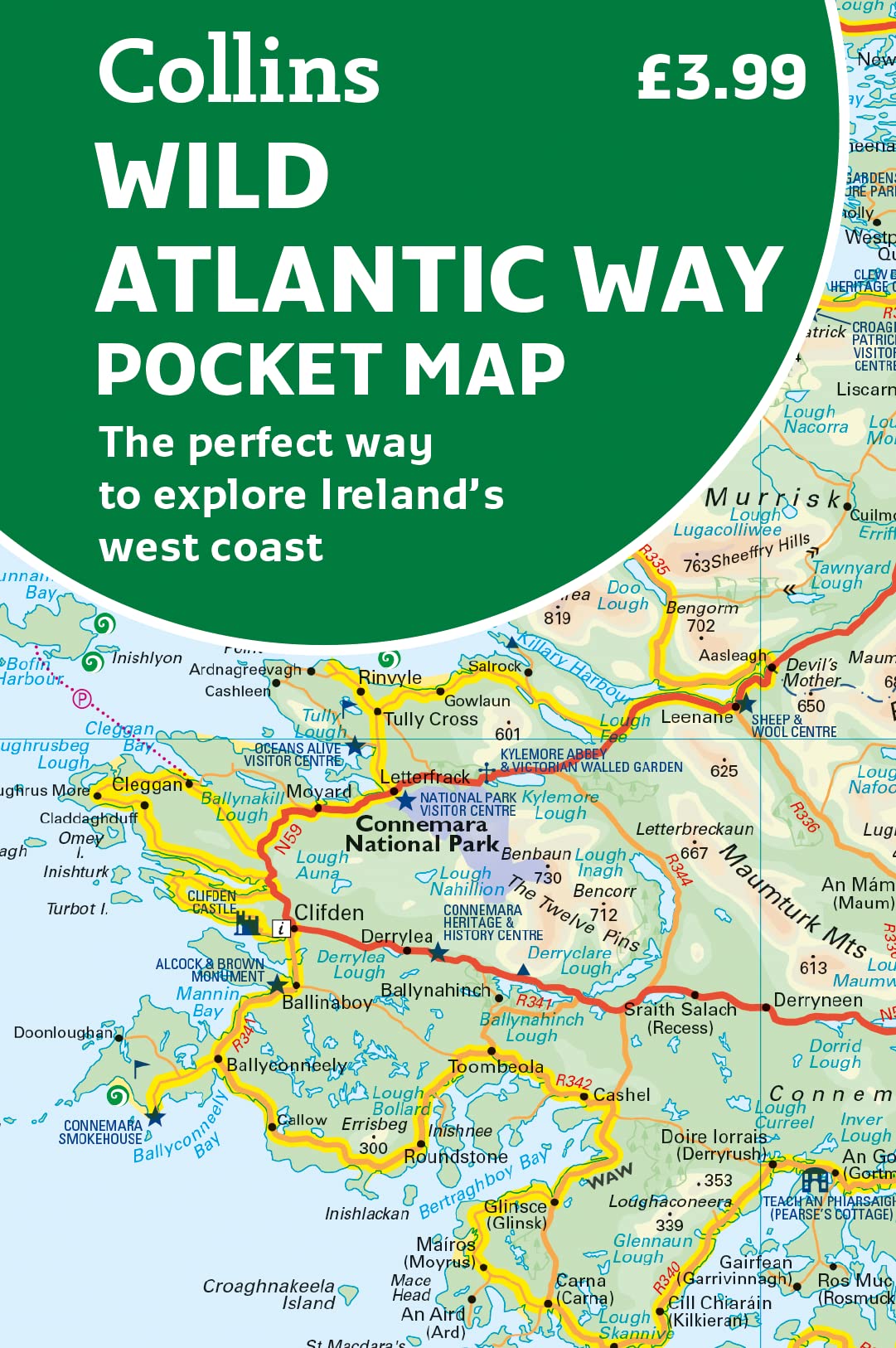
This travel guide unfolds easily and fits neatly in your pocket, making it perfect for on-the-go exploration. You can quickly refer to it without the bulk of larger maps. Its compact size ensures it’s always at hand, whether you’re hiking, driving, or simply exploring.
The map covers numerous locations along the Wild Atlantic Way. It highlights lesser-known sites that might escape the typical tourist radar. It’s a great tool for finding unique spots.
On the flip side, its small size can make reading a bit challenging. Some users have found it confusing initially, but it gets easier with use. Overall, it's a reliable guide for a memorable trip along Ireland’s stunning coastline. If you're planning a journey, Wild Atlantic Way Pocket Map could be just what you need.
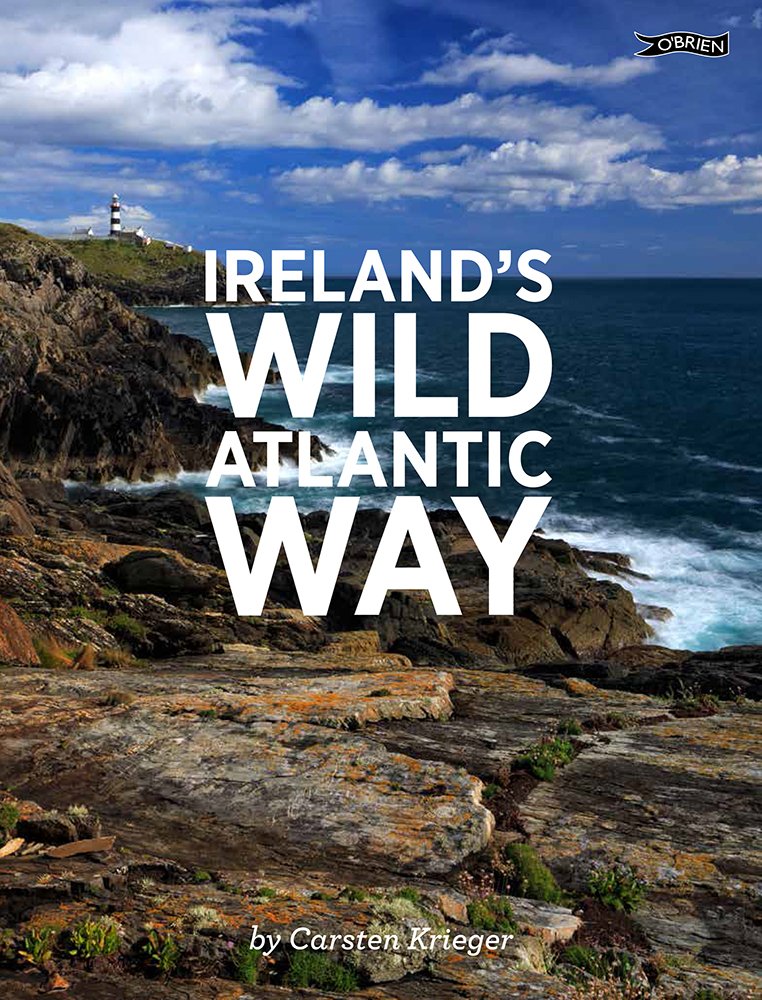
This travel guide offers you a visual feast with its captivating photographs of Ireland's Wild Atlantic Way. You'll find it enriching as it captures the raw beauty of the west coast, making you feel as though you're right there.
The detailed tips are incredibly helpful for planning your trip. You'll appreciate the specific information on different locations, making your travels more straightforward and enjoyable.
Despite its impressive visuals, the book is a bit heavy, which might make it less portable. Additionally, it focuses more on landscapes than the local culture, so you might not get a full picture of the people living there.
Taking this guide with you can make your trip more adventurous and informed. It's a beneficial resource if you're planning to explore the wild beauty of Ireland's west coast.
Read it at home and plan your itinerary to ensure you don't miss any must-see spots. It's an incredible companion whether you're travelling solo or with your loved ones.
This guide is essential for anyone planning to experience Ireland's beautiful west coast by bicycle.
Pros
Detailed route maps
Insights into local attractions
Easy to follow instructions
Cons
Lacks digital GPX tracks
Limited information on some sections
Small print size
If you love cycling and want to explore Ireland's Wild Atlantic Way, this guide is a great companion. The detailed route maps make navigation straightforward. Each leg of the journey includes information on local attractions, giving you a richer travel experience.
The guide’s instructions are simple and clear, which is useful for cyclists of all levels. It helps you plan your trip effectively, making sure you don’t miss any key spots along the way.
On the downside, the guide doesn’t come with digital GPX tracks, which would have been handy for modern navigation tools. Some sections also lack in-depth details, leaving you wanting more. Additionally, the small print size may be a challenge for some readers.
Despite these minor drawbacks, the guide is valuable for anyone keen on cycling through one of Ireland’s most scenic routes.
Check out the book here to get started on your adventure.
This guide is an essential companion for anyone exploring Ireland's Wild Atlantic Way.
Pros
Compact and easy to carry
Clear and organised content
Great value for money
Cons
Maps lack detail
Limited depth on some locations
Heavier than expected
With its handy size, "A Pocket Guide to the Wild Atlantic Way" is perfect for travellers who want to explore Ireland's stunning coastline. The guide is well-organised and provides clear, concise information that is easy to understand. It offers great value for anyone keen to delve into the region's many attractions.
Although the maps could be more detailed, you'll find enough useful tips to make the journey fulfilling. The book covers a wide range of spots along the coast, though sometimes the information is not as in-depth as you might hope. This is a convenient, easy-to-read guide that will help you make the most of your visit to the Wild Atlantic Way. Despite its compact look, the guide is a bit heavier than you might expect, making it more suitable for day trips than for carrying on long hikes.
Rediscovering History in County Mayo: The Lost Valley Tour Review
Tucked away in the stunning landscapes of County Mayo, The Lost Valley offers a glimpse into the area's poignant past and breathtaking natural beauty. This unique tour, which I had the opportunity to experience, is not just a hike; it's a journey through history, culture, and unforgettable scenery.
The Experience
The tour itself is led by Gerard and Maureen Bourke, whose family has owned and farmed the land for over a hundred years. This personal connection enriches the storytelling, making the history of the Great Famine and subsequent emigrations resonate deeply with participants.
The Lost Valley is not just a farm; it's a powerful narrative composed of stories of resilience and survival. It's a three hour guided tour through a varied landscape of breathtaking beauty.
Highlights and Features
What makes The Lost Valley particularly special are its intact historical features. You'll walk through areas that have remained unchanged since the times of the Great Famine, including original famine-era roads and deserted stone cottages. These sites are thoughtfully presented, offering a rare, unspoiled look into Ireland's historical landscape. Gerard speaks from the heart about the experiences of the people living on this land and really evokes the hardships endured by his predecessors.
Cost and Duration
The tour is costs €25 per adult and €10 for children under 15. Family rates are also available, which helps make the tour accessible for larger groups. Each tour lasts approximately three hours, plenty of time to explore and absorb the area's rich history and natural beauty.
Preparation and Requirements
As highlighted on their website, it’s important to come prepared. The Lost Valley is in a remote area and is a working farm, so wearing suitable footwear and clothing for walking over rough terrain is essential. While the walk is generally moderate, there are some hilly parts.
The Lost Valley tour is a standout experience for those visiting County Mayo. Its combination of natural beauty, historical depth, and personal storytelling creates a compelling and enriching experience that stays with you long after the tour ends. For anyone looking to connect with Ireland's past in a profound and personal way, this tour is an absolute must.
For more details or to book your journey through this breathtaking part of Ireland, visit The Lost Valley. It's more than just a tour; it's an emotional and physical journey that encapsulates the essence of Ireland's untamed west coast.
Tours usually run between May and September and you will need to book beforehand.
Booking and Tour Details
You can find The Lost Valley tour information on their website at The Lost Valley. You should book in advance, especially during peak tourist seasons.
From Louisburgh head south towards Killadoon on the A378. The Lost Valley is right at the end of this road next to the Silver Strand beach. The reception is well signposted. The eircode is F28 D651
I've just found a great TV show I hadn't heard of before. It's Monty Hall's Great Irish Escape and it's a six part programme following Monty Hall's adventures as he and his dog take up residence in a small cottage in Connemara and help to monitor wildlife in the atlantic ocean. It's made before The Wild Atlantic Way had that name. Currently all six parts are available on BBC iPlayer - also as a cheap dvd on ebay or Amazon
To provide the best experiences, we use technologies like cookies to store and/or access device information. Consenting to these technologies will allow us to process data such as browsing behaviour or unique IDs on this site. Not consenting or withdrawing consent, may adversely affect certain features and functions.
Functional
Always active
The technical storage or access is strictly necessary for the legitimate purpose of enabling the use of a specific service explicitly requested by the subscriber or user, or for the sole purpose of carrying out the transmission of a communication over an electronic communications network.
Preferences
The technical storage or access is necessary for the legitimate purpose of storing preferences that are not requested by the subscriber or user.
Statistics
The technical storage or access that is used exclusively for statistical purposes.The technical storage or access that is used exclusively for anonymous statistical purposes. Without a subpoena, voluntary compliance on the part of your Internet Service Provider, or additional records from a third party, information stored or retrieved for this purpose alone cannot usually be used to identify you.
Marketing
The technical storage or access is required to create user profiles to send advertising, or to track the user on a website or across several websites for similar marketing purposes.